Oscars International Submissions, Feminist Cinema Icons, and New Releases
Hello, ShotDeck community!
A big thank you to everyone who came to say hello at SXSW 2026. We spoke to filmmakers premiering work in Austin on the SXSW red carpet, took deep dives with the creative teams behind some of the festival’s buzziest titles, and met ShotDeck community members who were at the festival from all over the world. Check out the highlights here.
This month, we were also privileged to attend the 40th annual ASC Awards, where we got to ask some of the world’s most respected directors and cinematographers what films they turn to for inspiration, as well as hear some behind-the-scenes stories behind some of this past year’s most iconic shots. Read more about it here.
Remember to follow us on Instagram to see where we’ll be next, as well as to catch all the highlights from events and red carpets. And sign up today for a free 2 week trial of ShotDeck, or download our app from the App Store.
We dropped over 53,000 new shots into our library this March – read more about it below!
FILM COLLECTION
New Releases
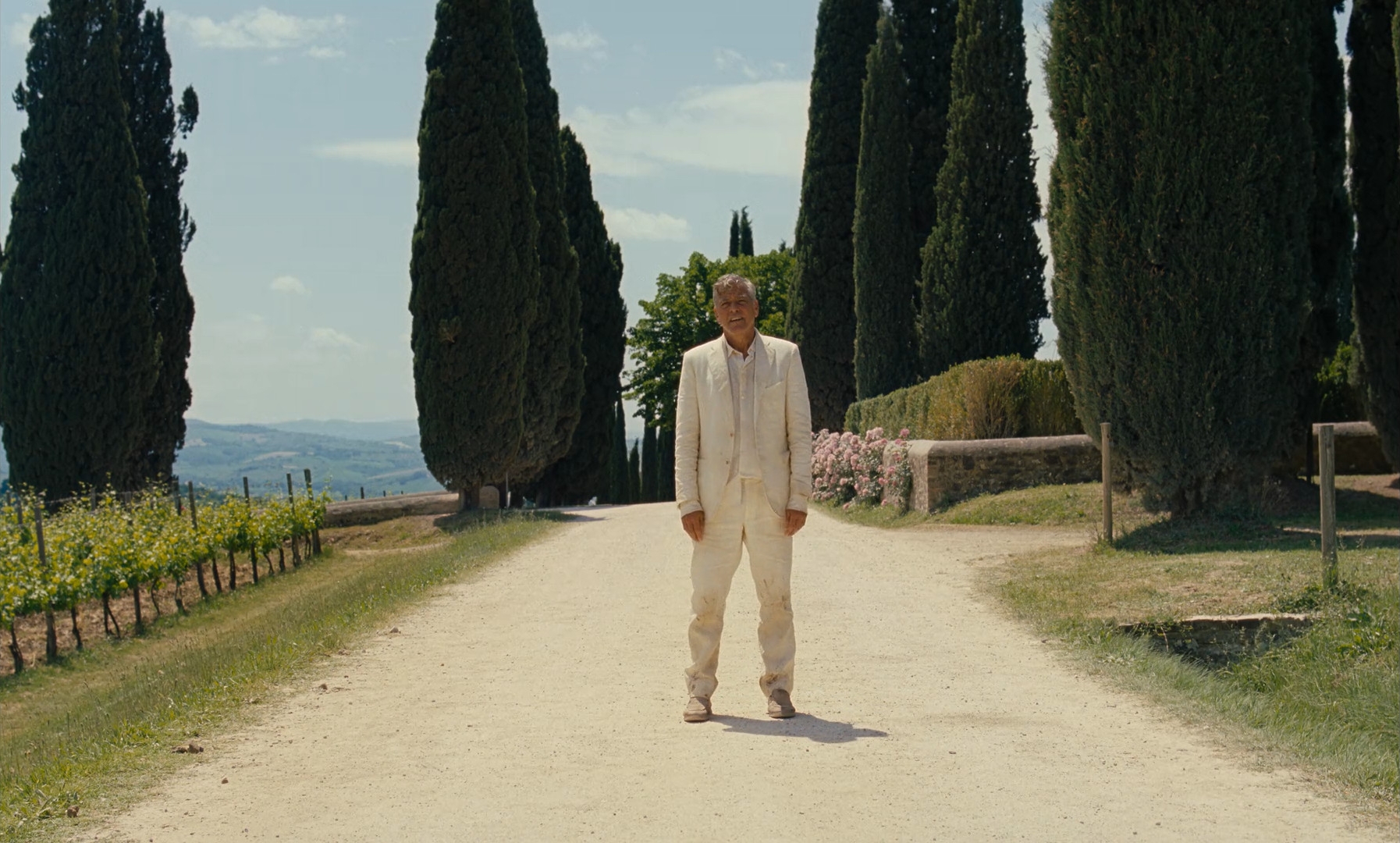
As we close out the first quarter of 2026, we’ve filled out our library with some of the biggest year-end titles of 2025, as well as some of this year’s newest releases.
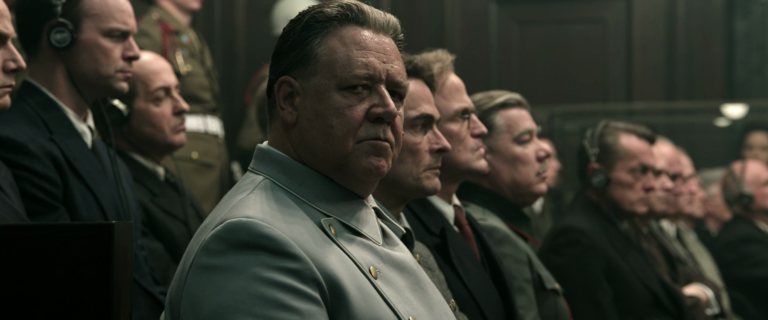
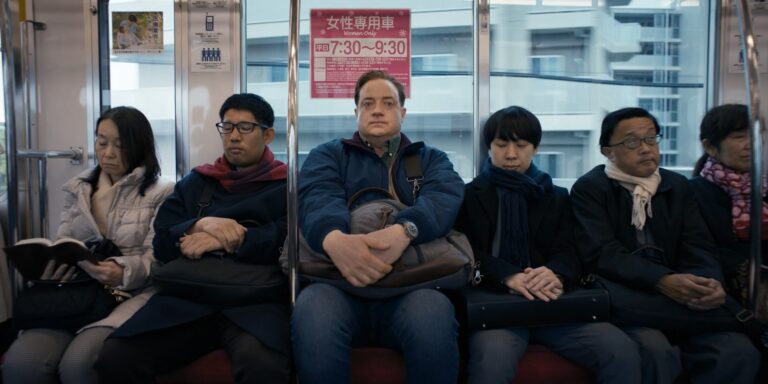
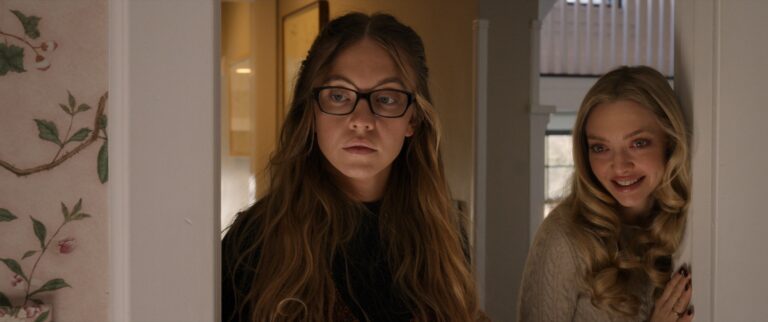
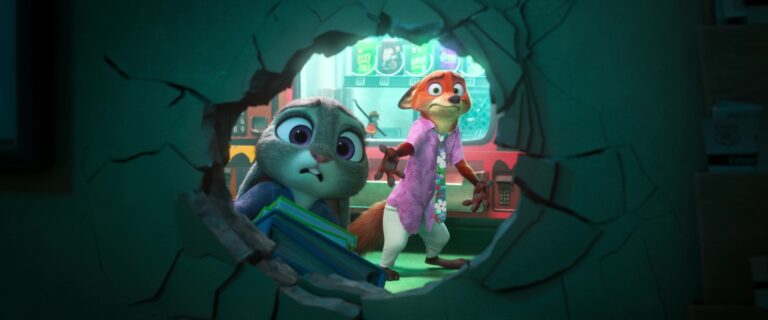
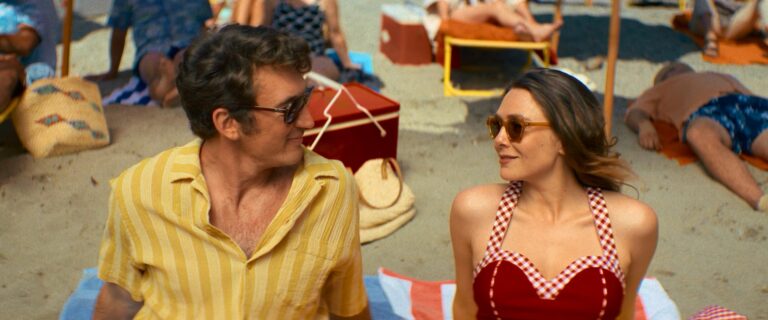
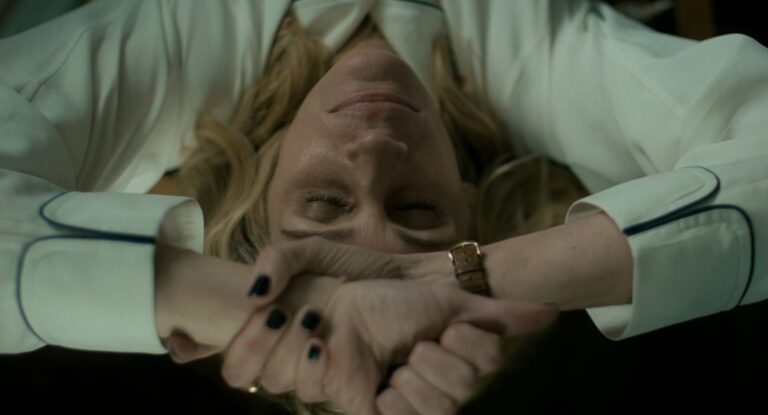
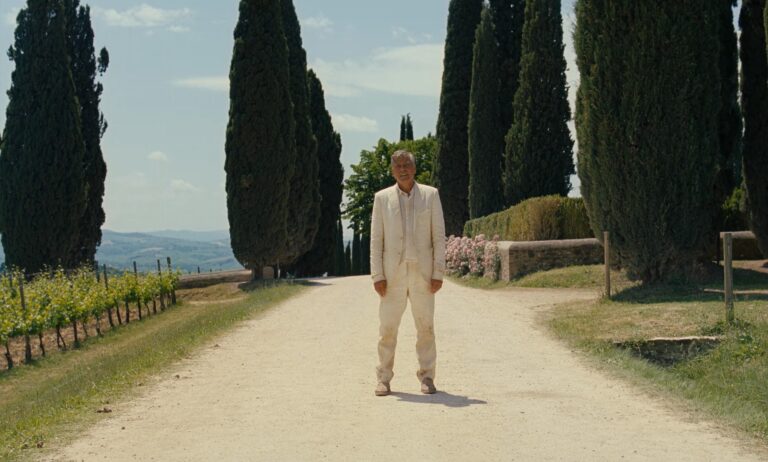
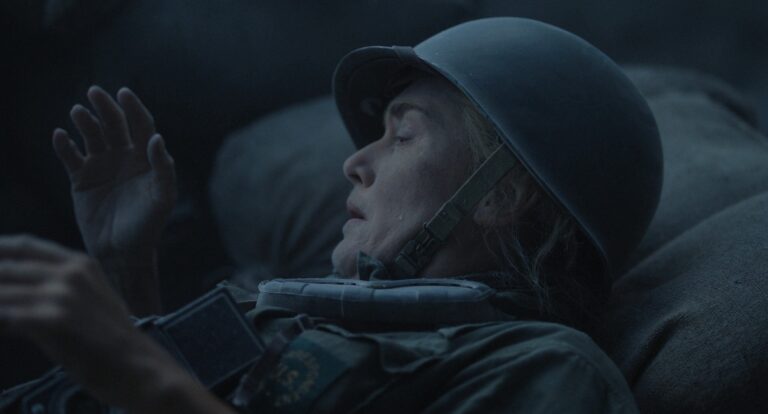
Check out new shots from Jay Kelly, After the Hunt, Eternity, Lee, Zootopia 2, Rental Family, The Housemaid, and Nuremberg, and add them to your decks today!
FILM COLLECTION
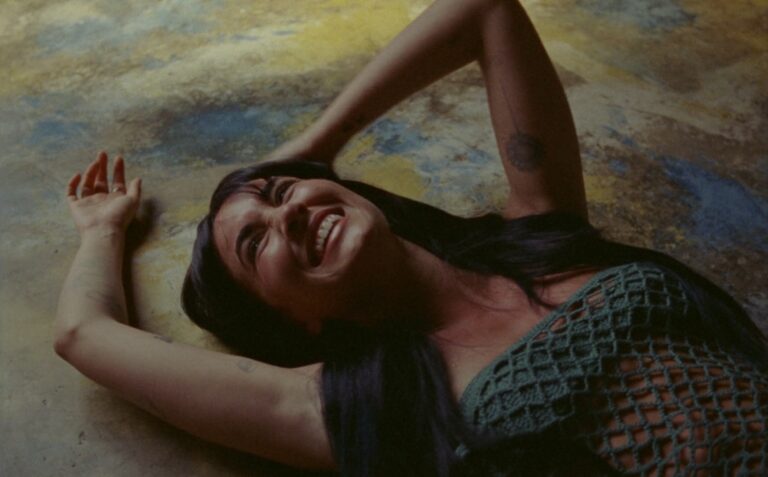
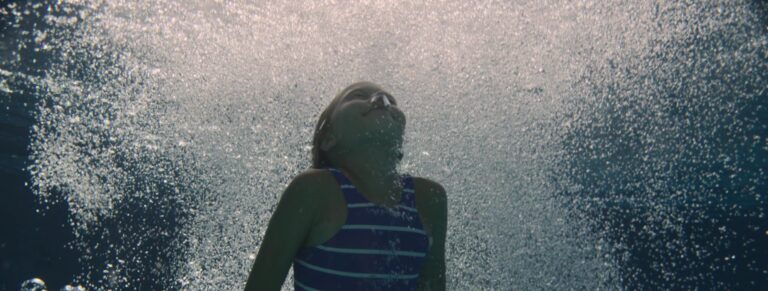
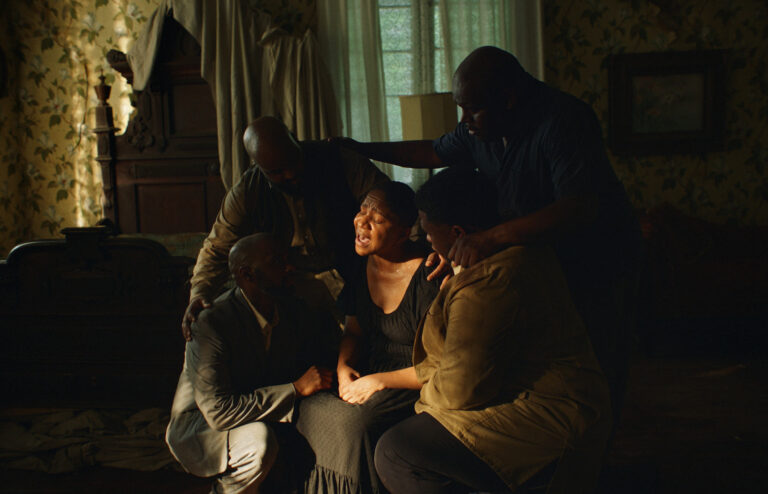
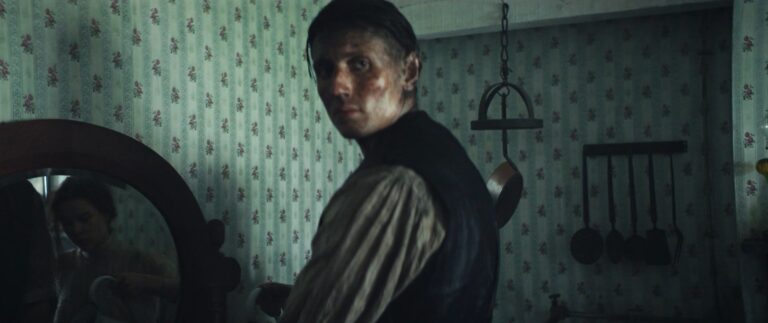
2026 Oscars International Submissions
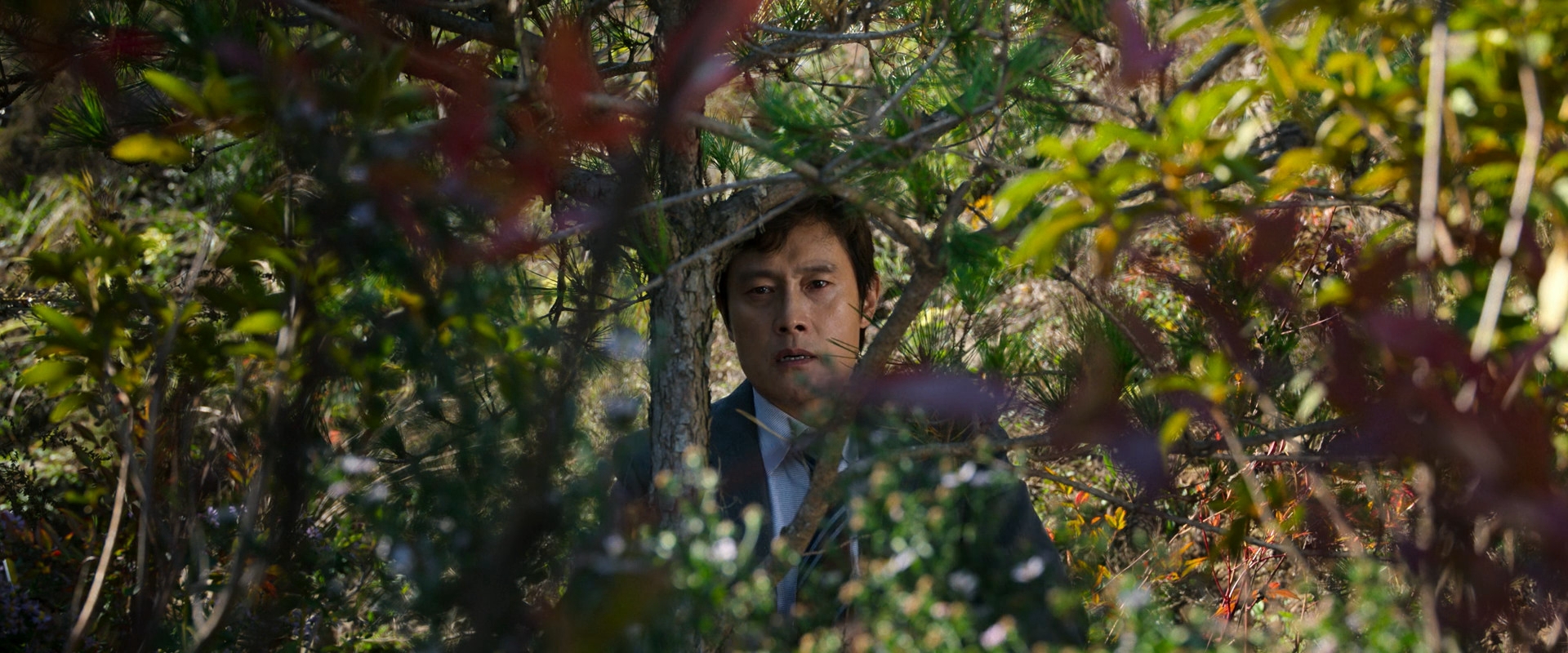
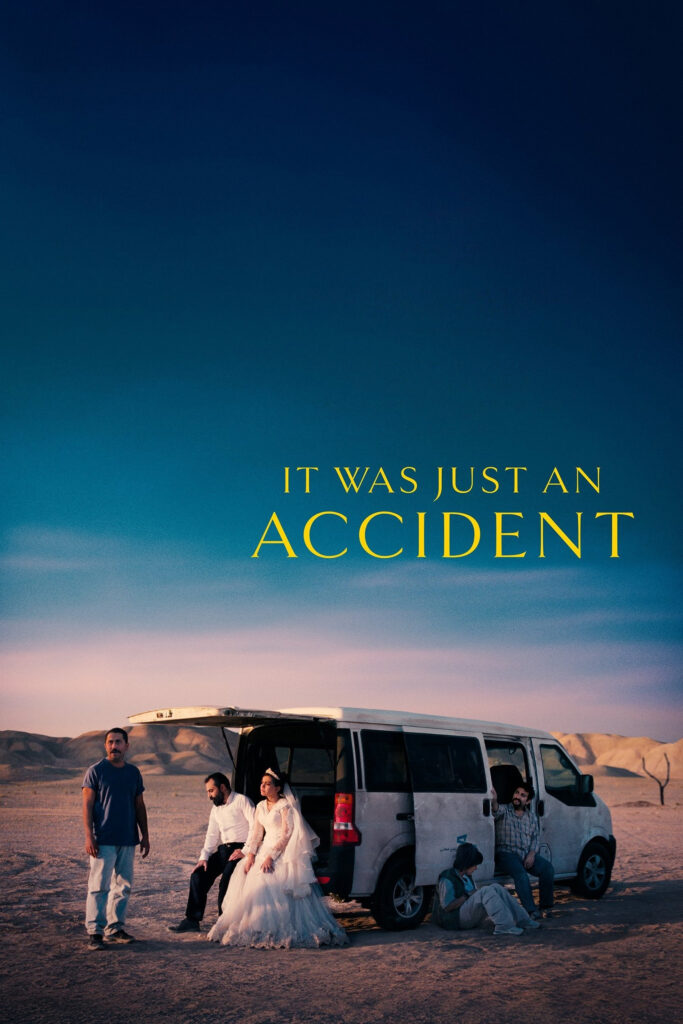
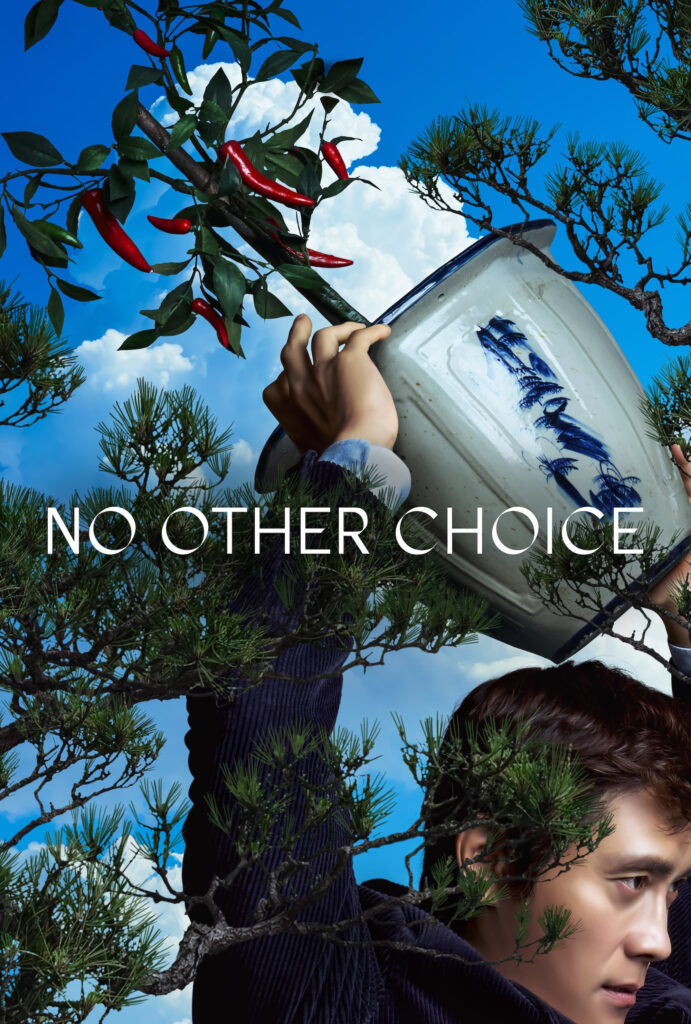
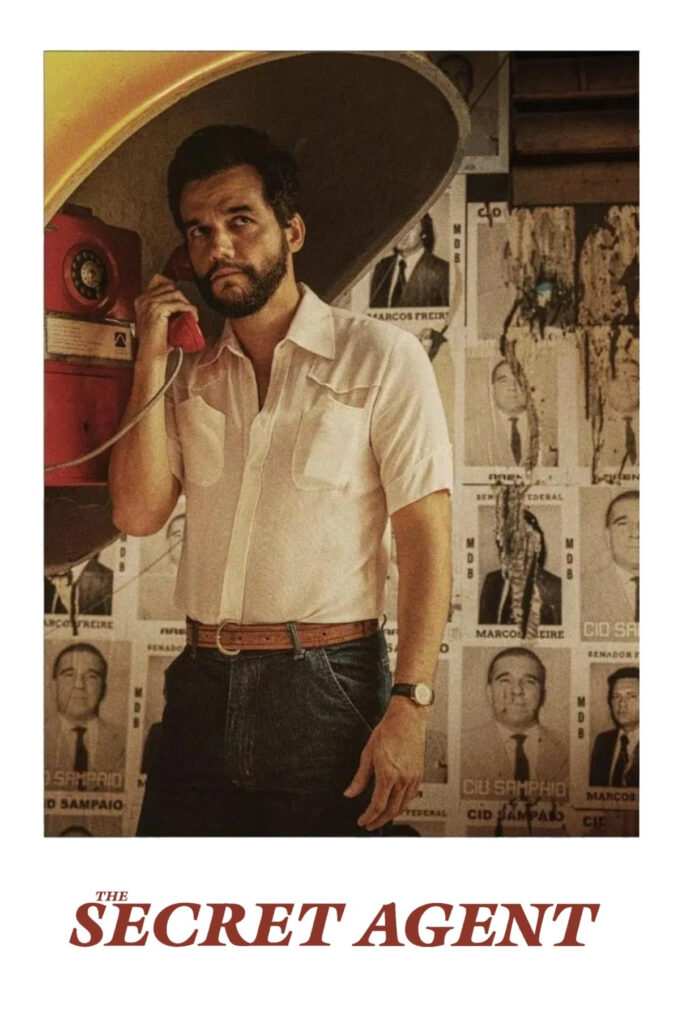
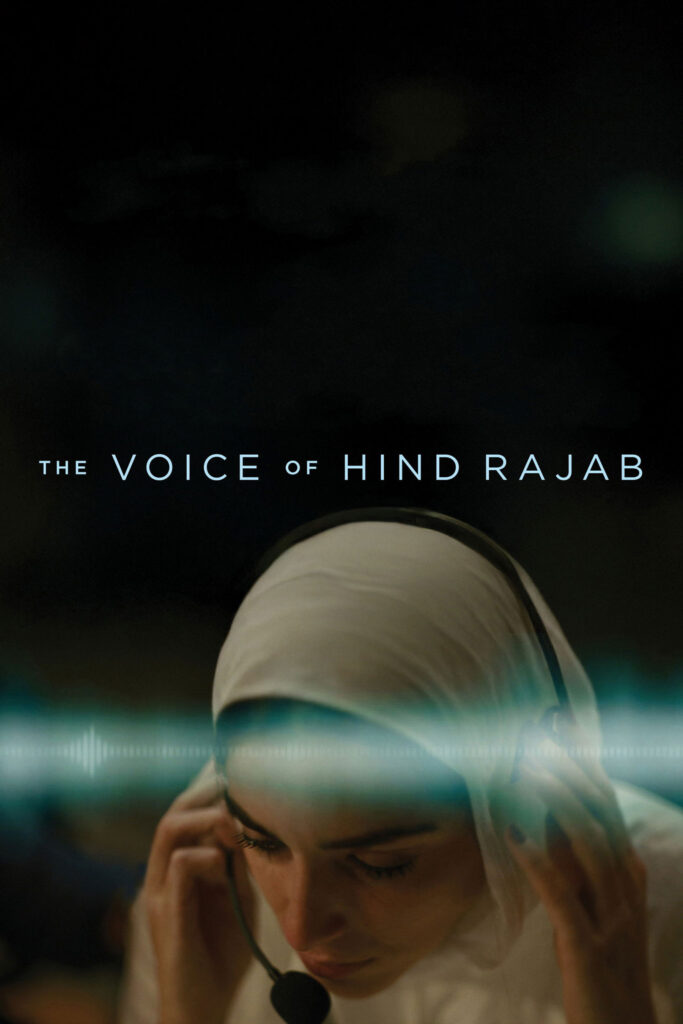
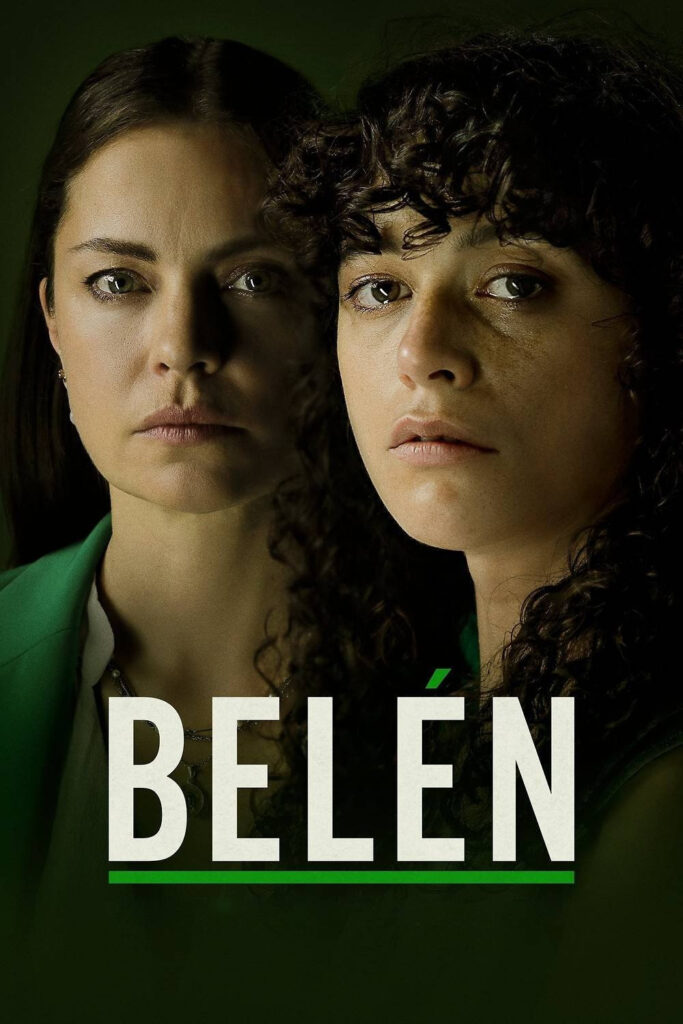
This month, we dropped thousands of shots from 14 films that were submitted for consideration in the Best International Feature Film category at the 2026 Academy Awards. Take a trip around the world and add shots to your decks from some of the most celebrated films this past year:
It Was Just an Accident (submitted by France)
No Other Choice (submitted by South Korea)
The Secret Agent (submitted by Brazil)
The Voice of Hind Rajab (submitted by Tunisia)
Belén (submitted by Argentina)
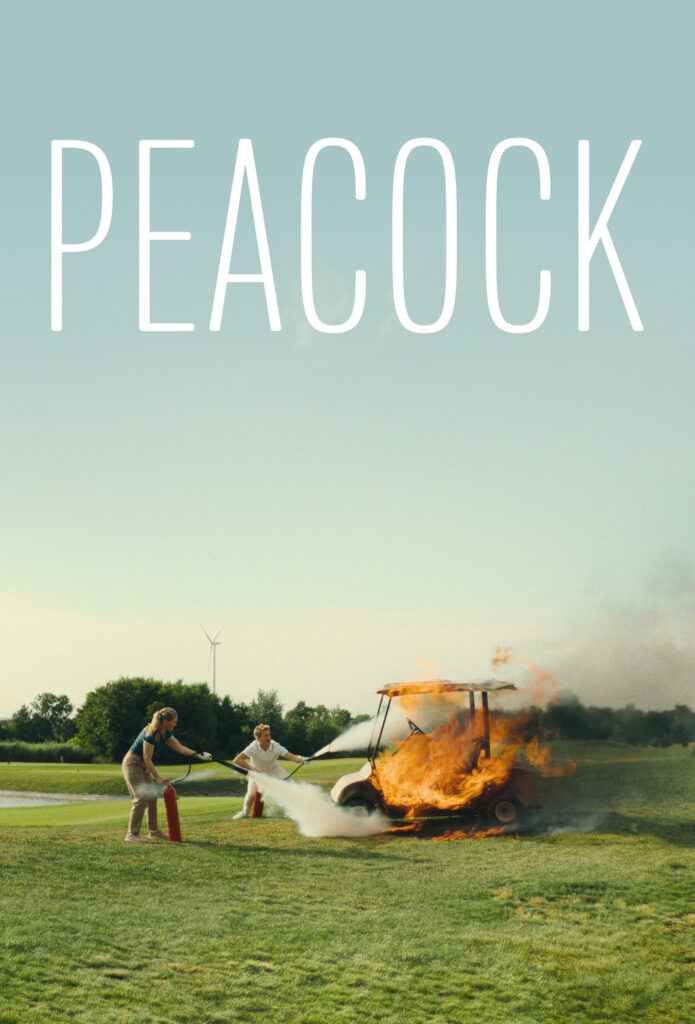
Peacock (submitted by Austria)
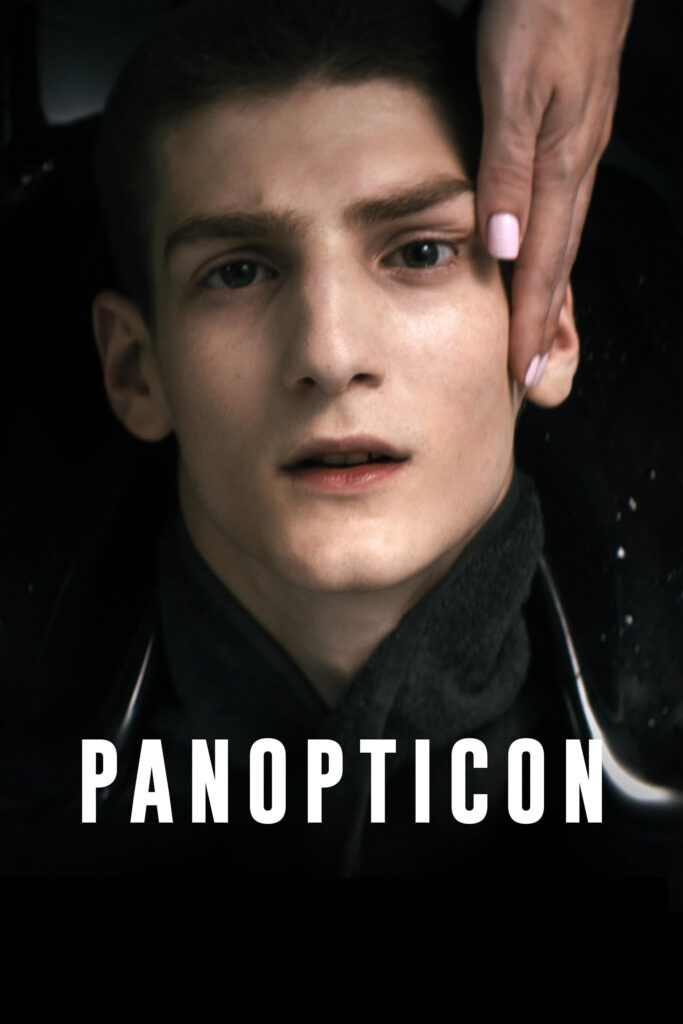
Panopticon (submitted by Georgia)
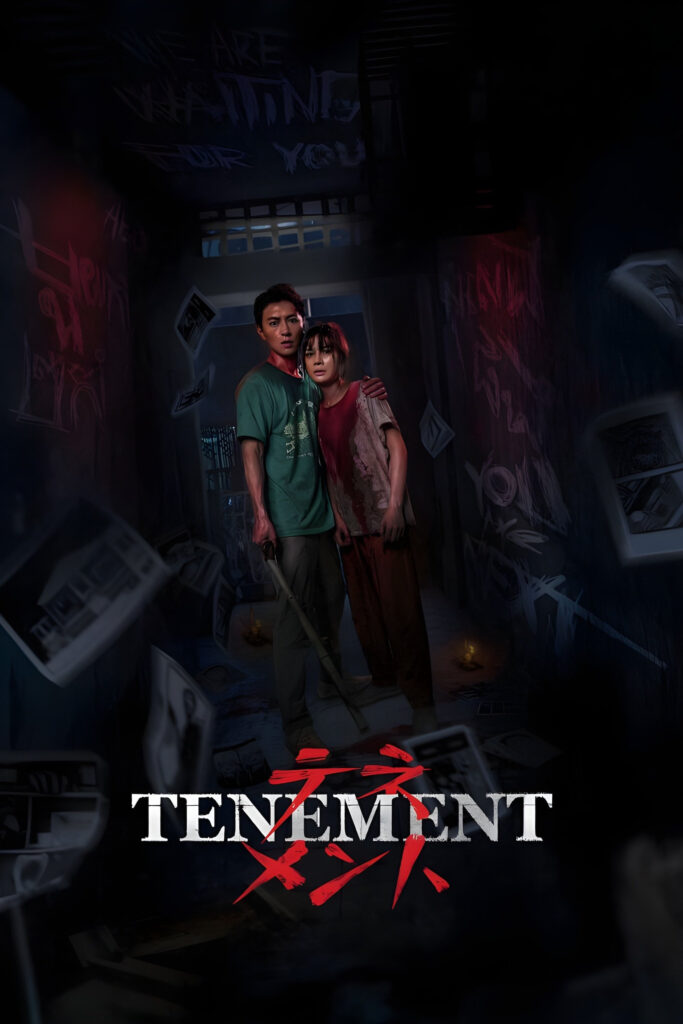
Tenement (submitted by Cambodia)
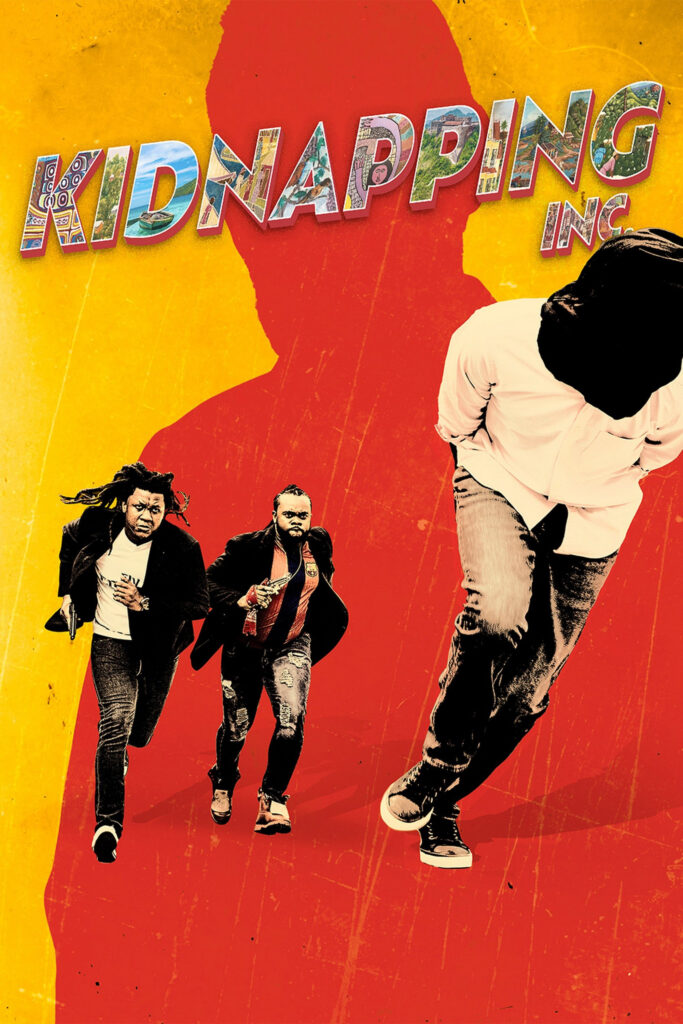
Kidnapping Inc. (submitted by Haiti)
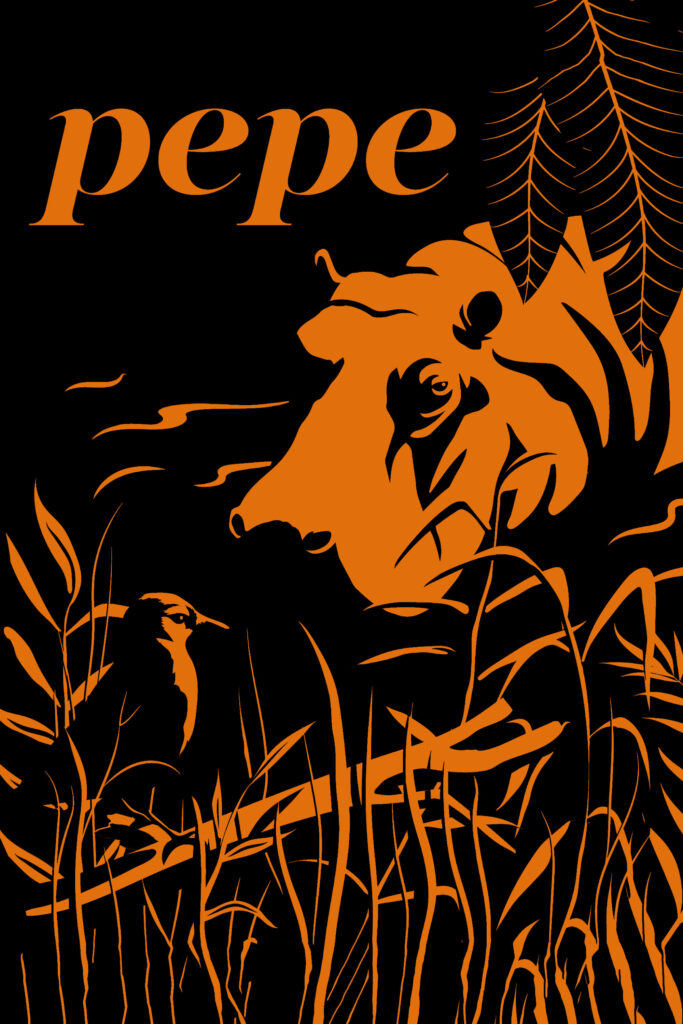
Pepe (submitted by the Dominican Republic)
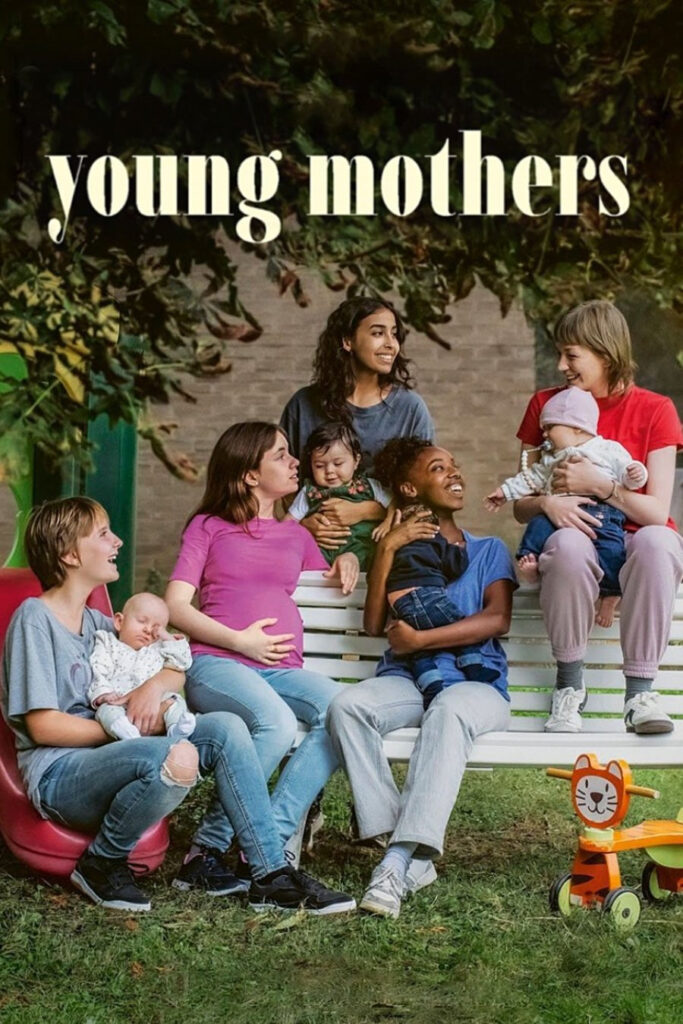
Young Mothers (submitted by Belgium)
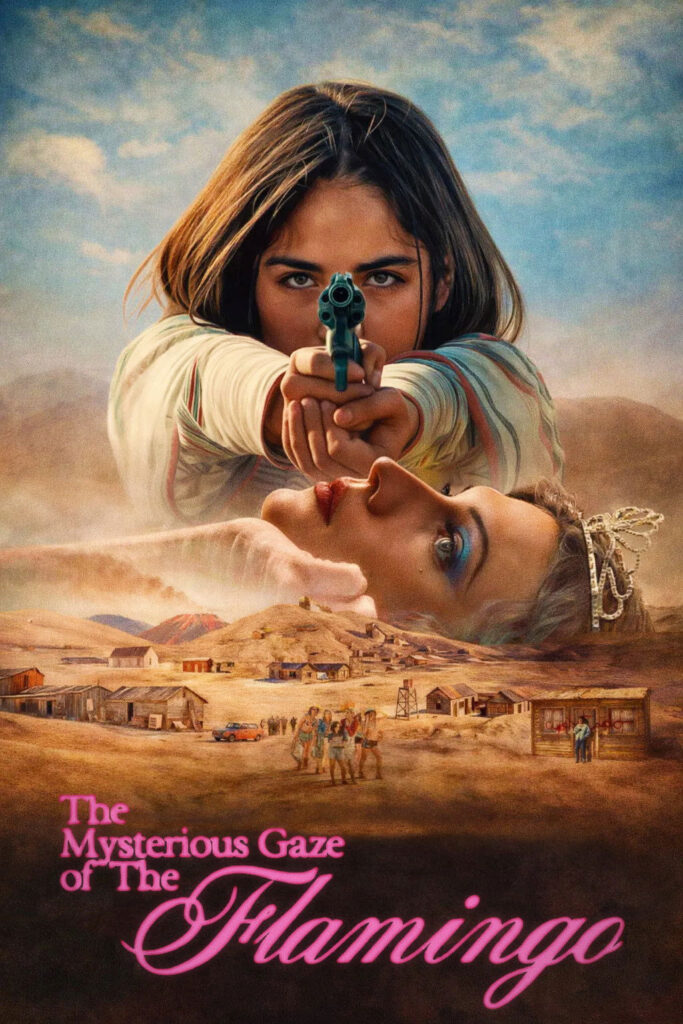
The Mysterious Gaze of the Flamingo (submitted by Chile)
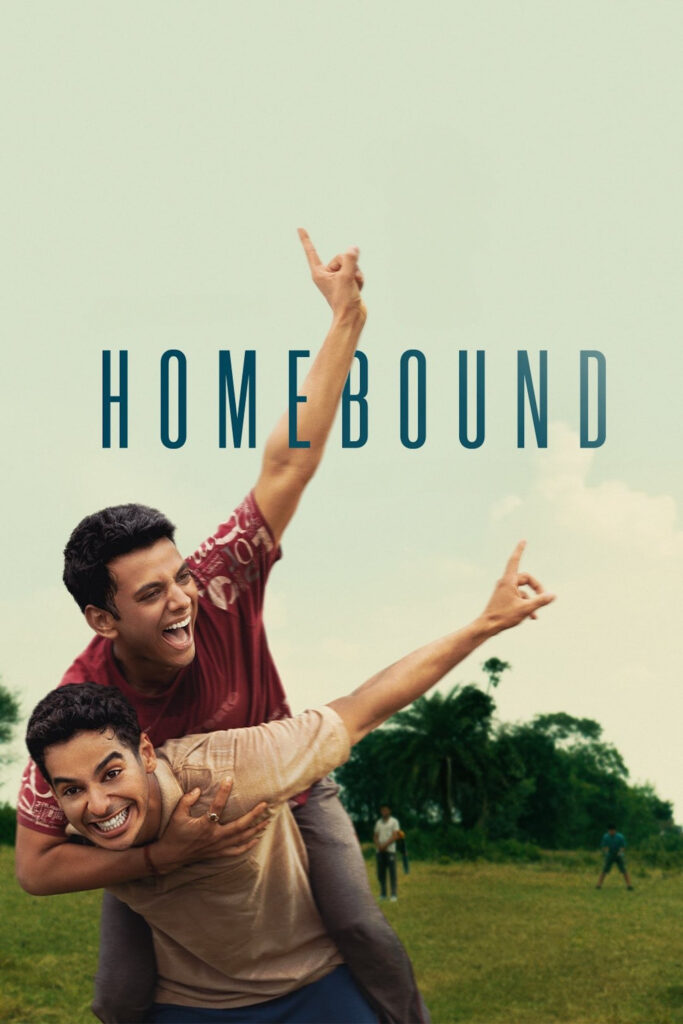
Homebound (submitted by India)
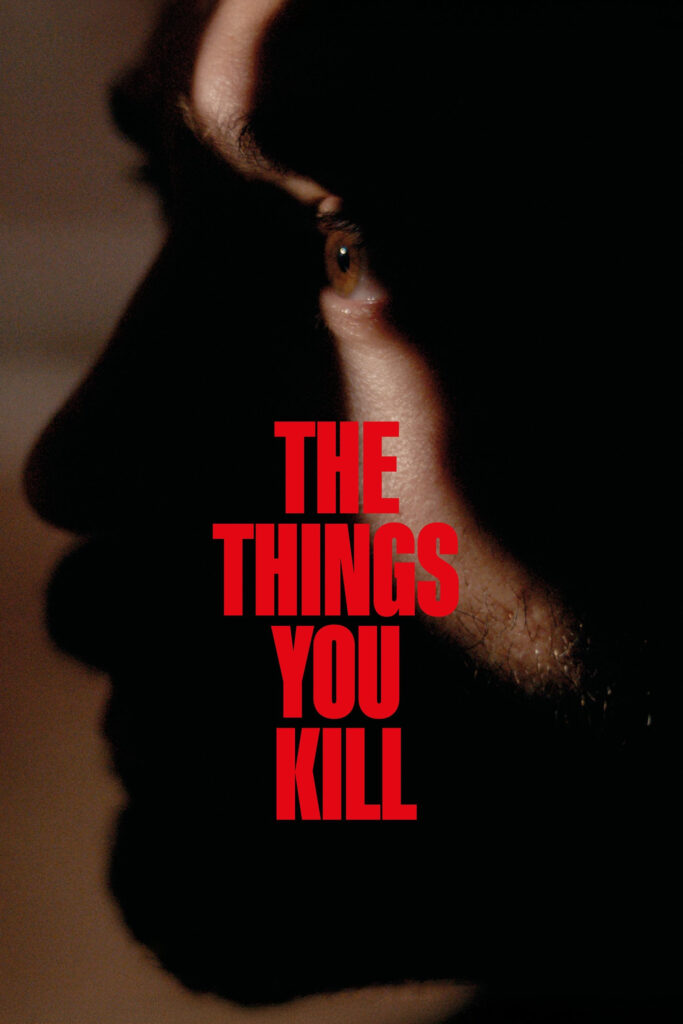
The Things You Kill (submitted by Canada)
ARTIST SPOTLIGHT
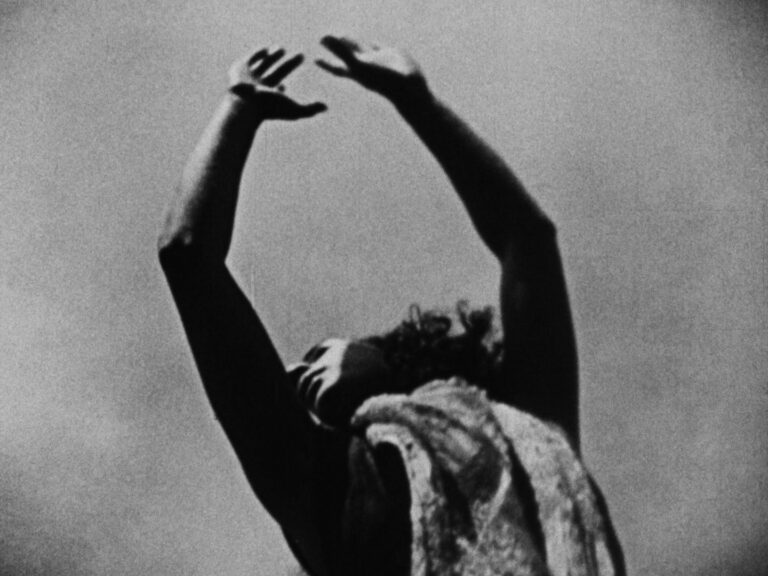
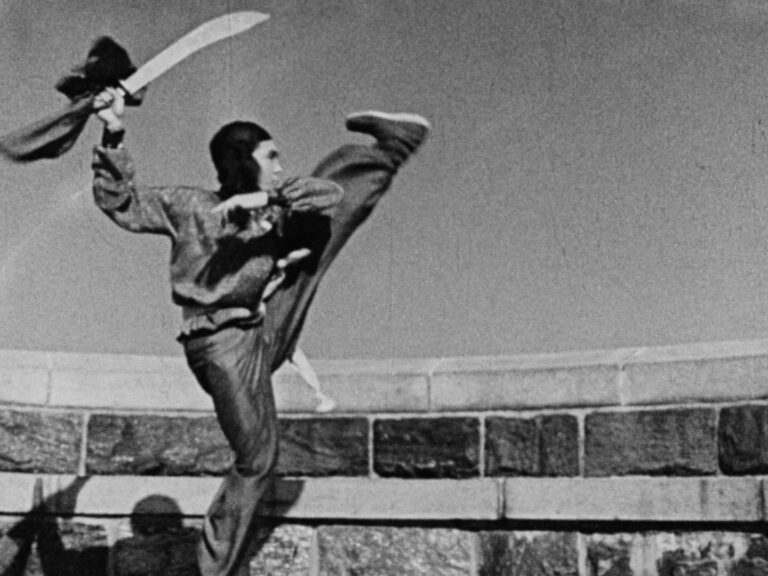
Maya Deren
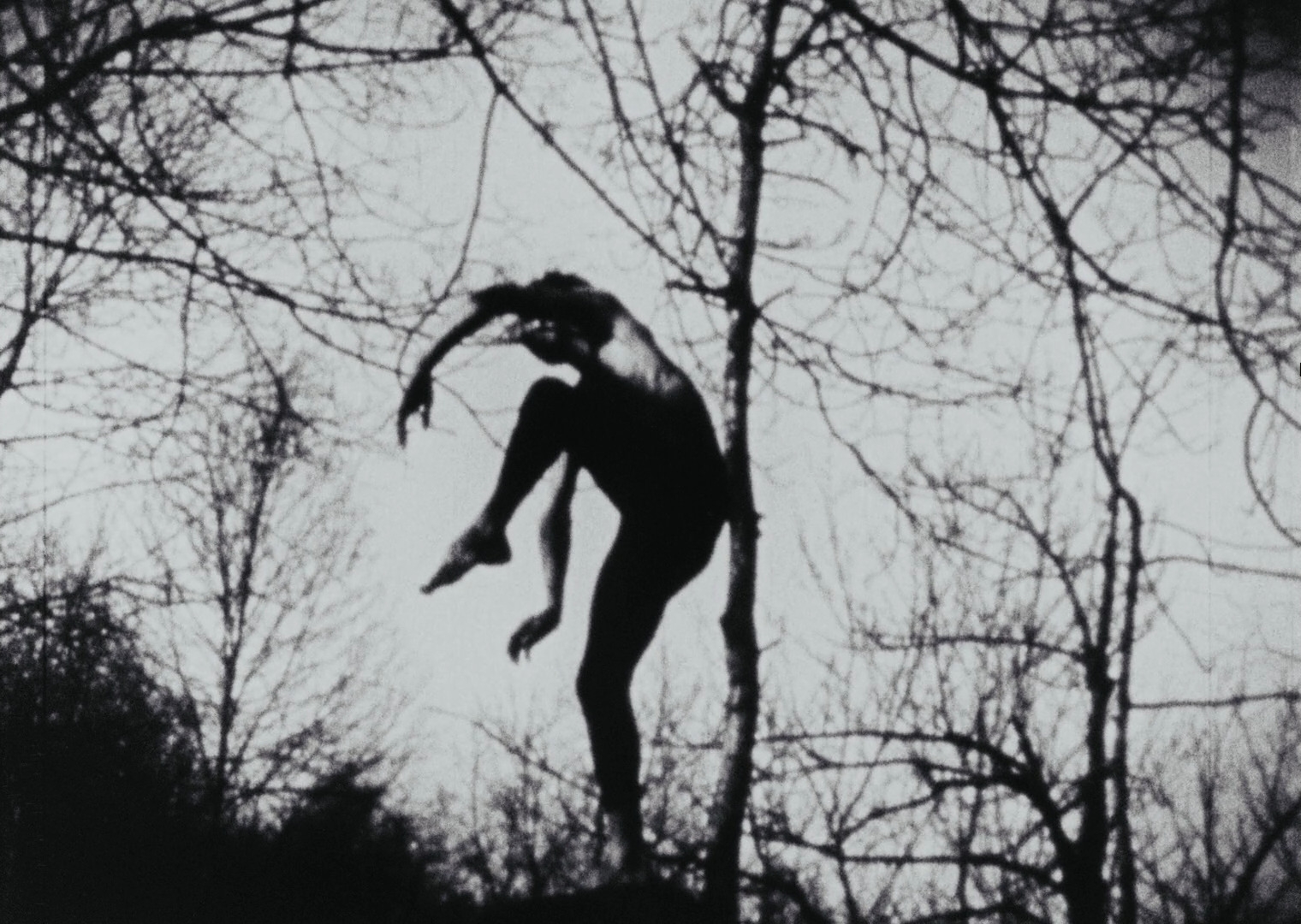
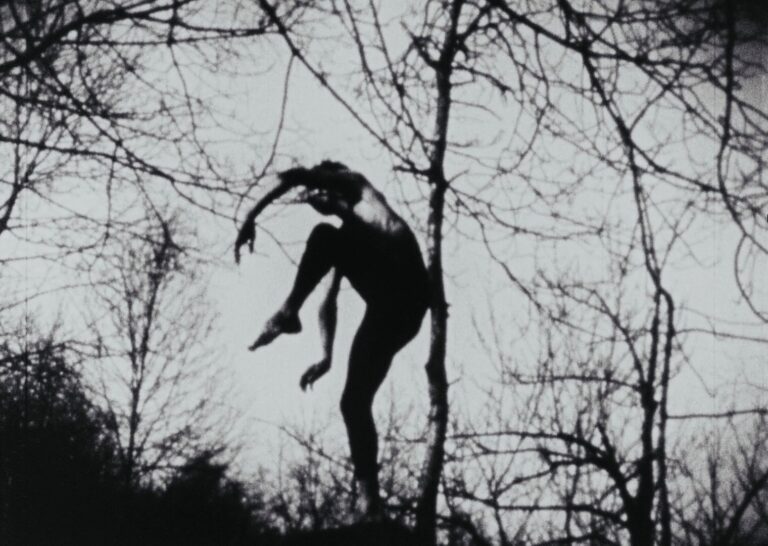
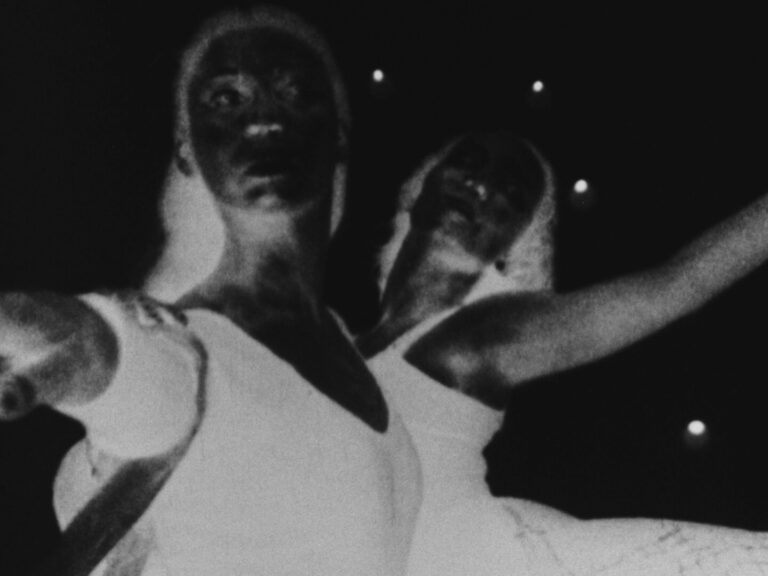
In March, we added six films to our library from the work of avant-garde filmmaker, choreographer, dancer, theorist, poet, lecturer, writer, and photographer, Maya Deren. At a time when American filmmaking almost always fell into either the camp of mainstream Hollywood fiction or realist independent documentaries, Deren’s films of the 1940s and 50s pushed American movies into the world of the avant-garde and experimental art, opening up formal and storytelling boundaries unlike few before her, leaving a trailblazing legacy that can still be felt today.
Born in present-day Ukraine, Deren’s family moved to Syracuse, New York when she was five years old. As a young artist, Deren was enmeshed in the art scene of New York City’s Greenwich Village, where her interests and social circles helped develop her multi-disciplinary practice. In 1943, she made her first film (for which she is perhaps still best-known), Meshes of the Afternoon. Meshes would come to be a lightning rod for the American avant-garde movement, and a launching pad for Deren’s filmmaking signatures – compositional formalism, dream logic editing, double exposure, slow motion, natural elements, and expressive body movements.
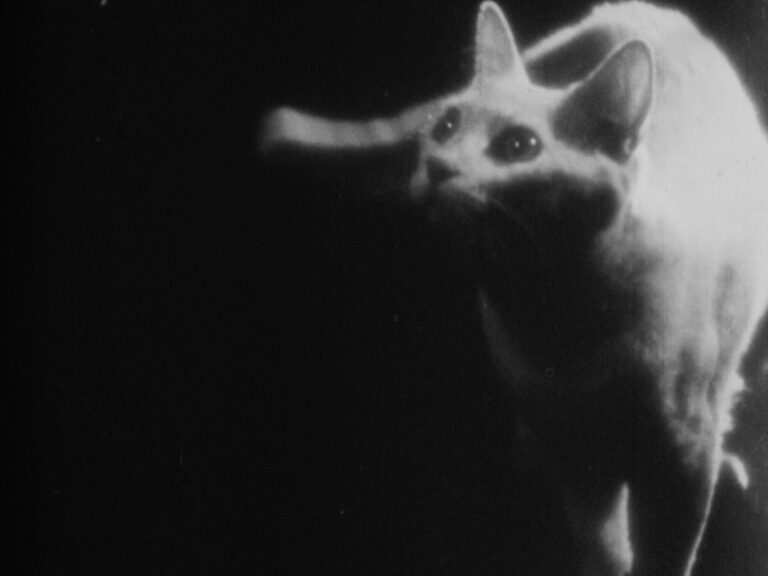
In an article published shortly before her death, Deren said about her work that “I do not seek to possess the major portion of your days. I am content if…you will, perhaps, recall an image, the aura of my films. And what more could I possibly ask, as an artist, than that your most precious visions, however rare, assume sometimes the forms of my images.” This month’s curation celebrates that legacy – check out shots from A Study in Choreography for Camera (1945), The Private Life of a Cat (1946), The Very Eye of Night (1958), Ritual in Transfigured Time (1946), Meditation on Violence (1949), and Divine Horsemen: The Living Gods of Haiti (1954).

ARTIST SPOTLIGHT
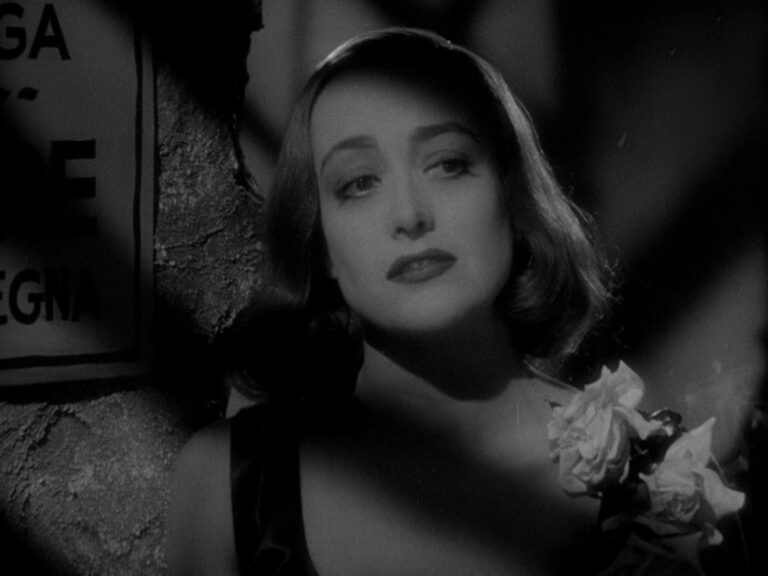
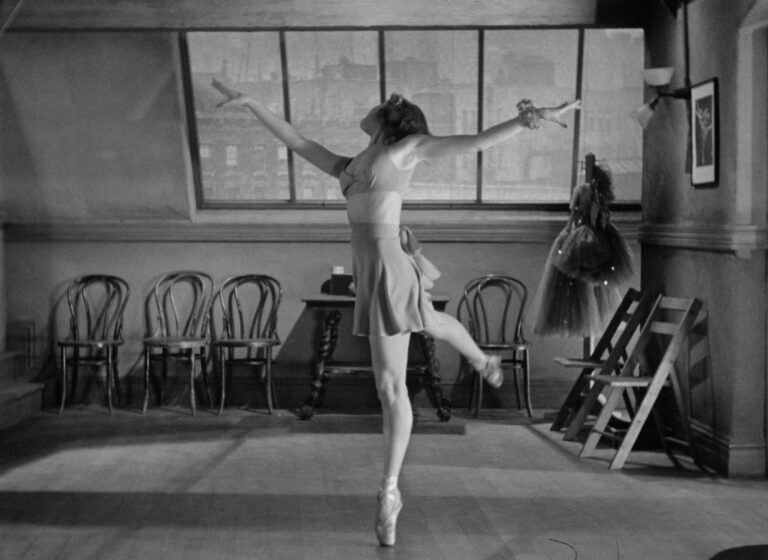
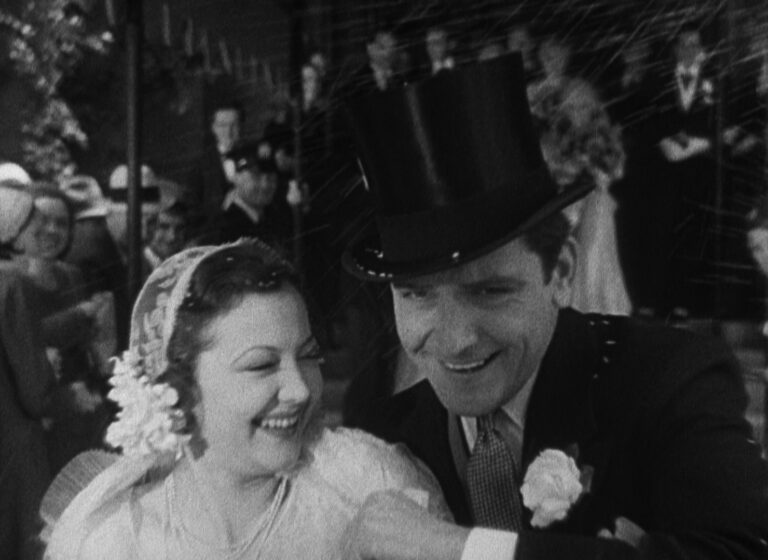
Dorothy Arzner
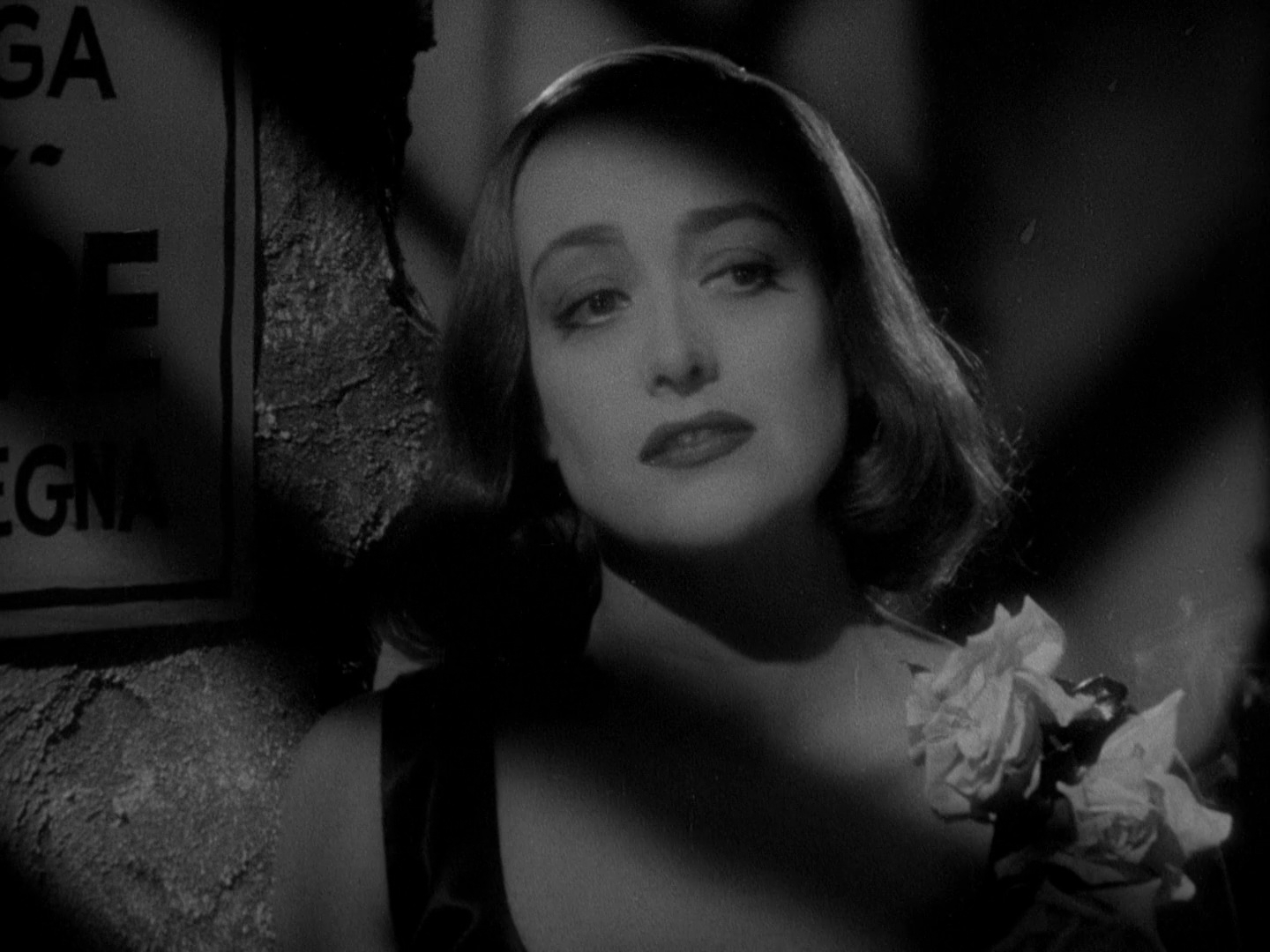
This month, we dropped shots from three films by early Hollywood icon Dorothy Arzner, who to this day remains the most prolific studio director in the history of American cinema. A Hollywood native whose father owned a restaurant next to a popular theater, Arzner began working as a script typist for Famous Players-Lasky Corporation, which would become known as Paramount Studios. She soon became an editor, cutting over 50 films for the studio, before she was invited to begin directing films for them – after she threatened to quit if they didn’t.
Arzner directed over 20 silent and sound films over the course of her career, and was an innovator in both the thematic and technical realms of the medium. Her movies presented a nonconformist view of female relationships, queer love and class dynamics, and she expanded the possibilities of sound cinema by shepherding the invention of the very first boom microphone while directing Paramount’s first talkie, The Wild Party (1929).
Check out our selection of films from Dorothy Arzner – Merrily We Go to Hell (1932), Dance, Girl, Dance (1940), and The Bride Wore Red (1937).
TELEVISION SERIES
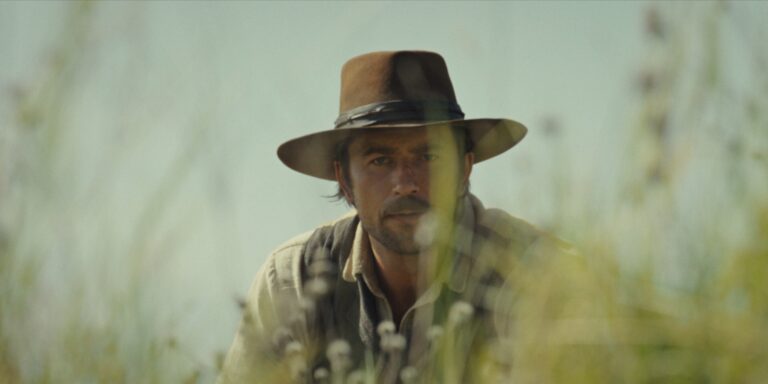
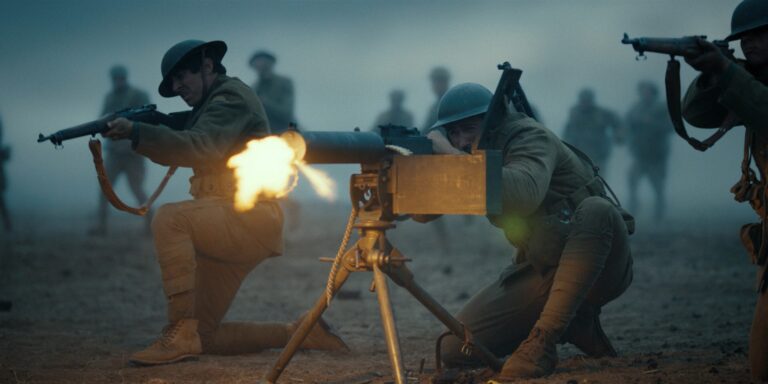
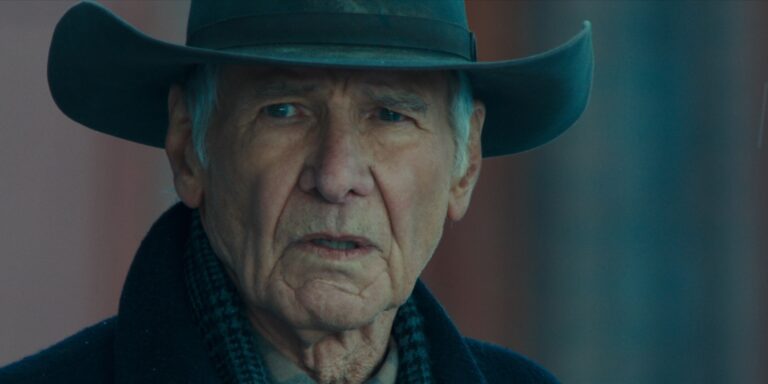
1923
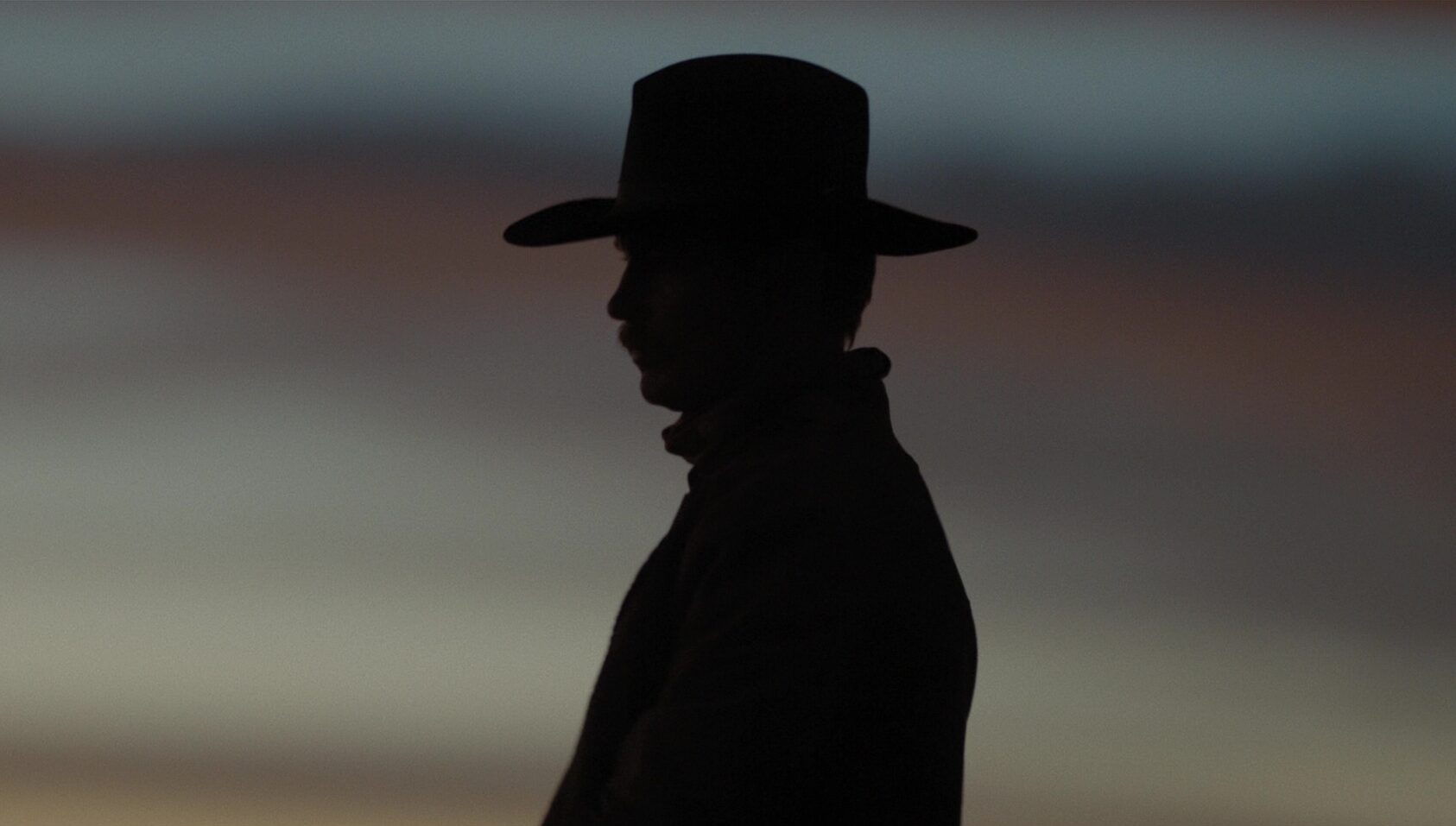
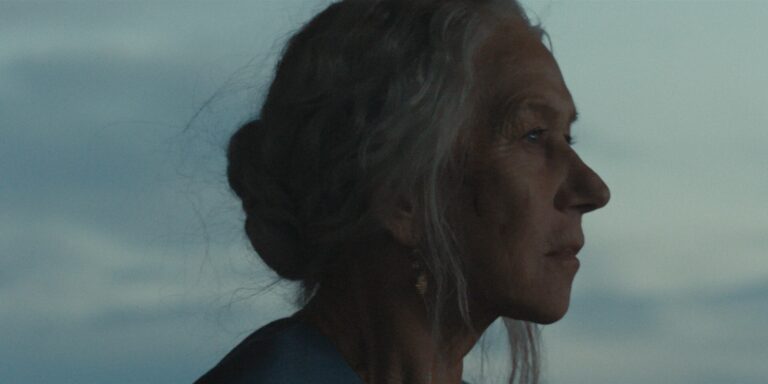
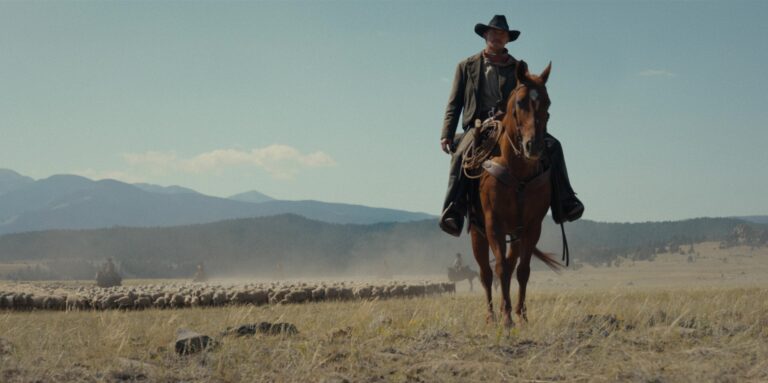
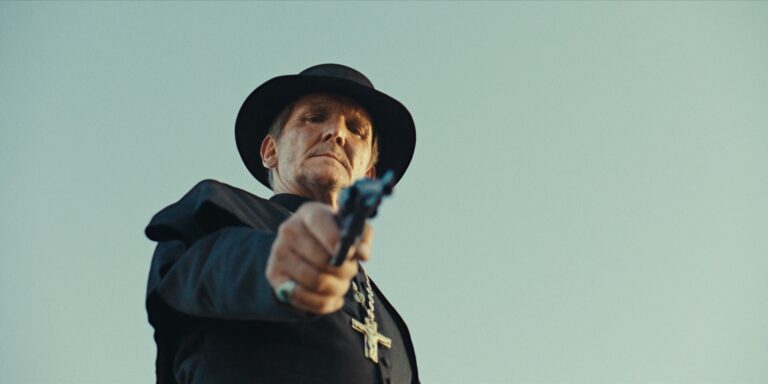
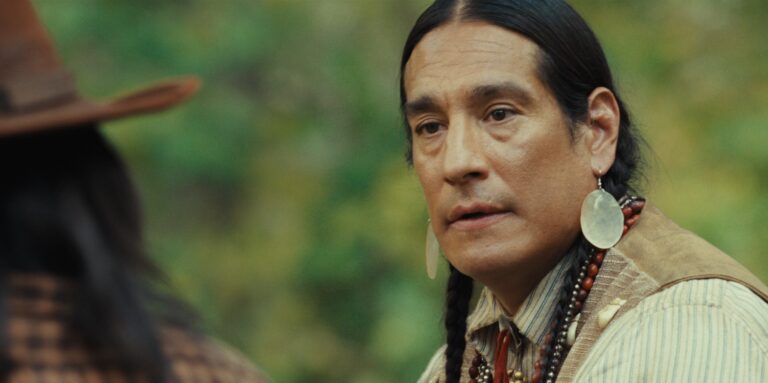
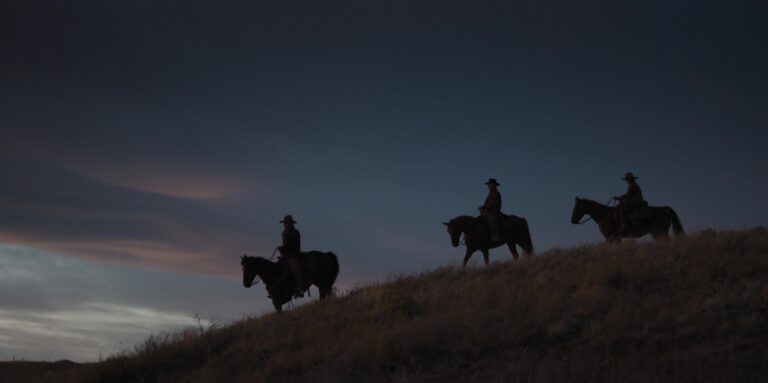
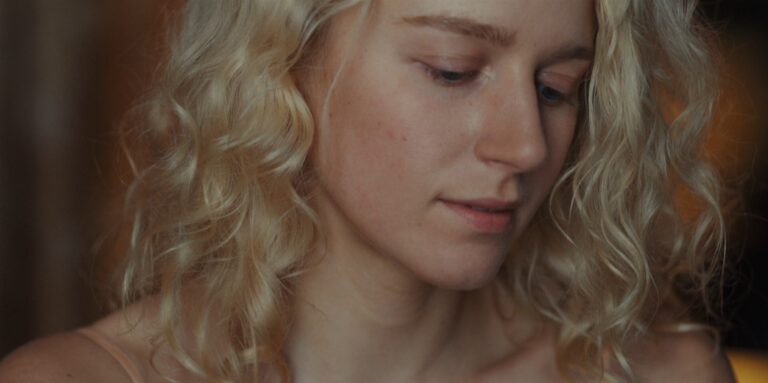
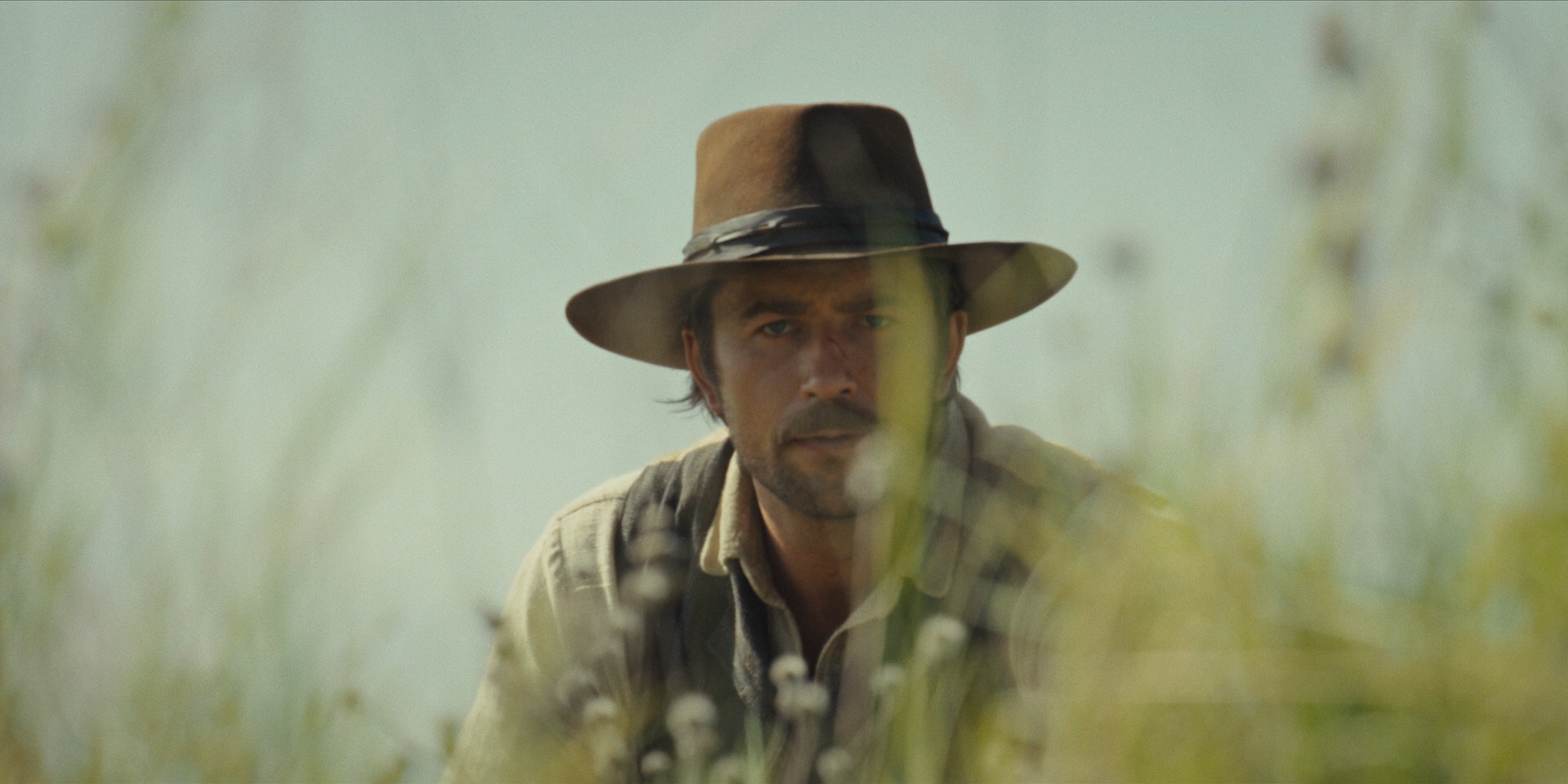
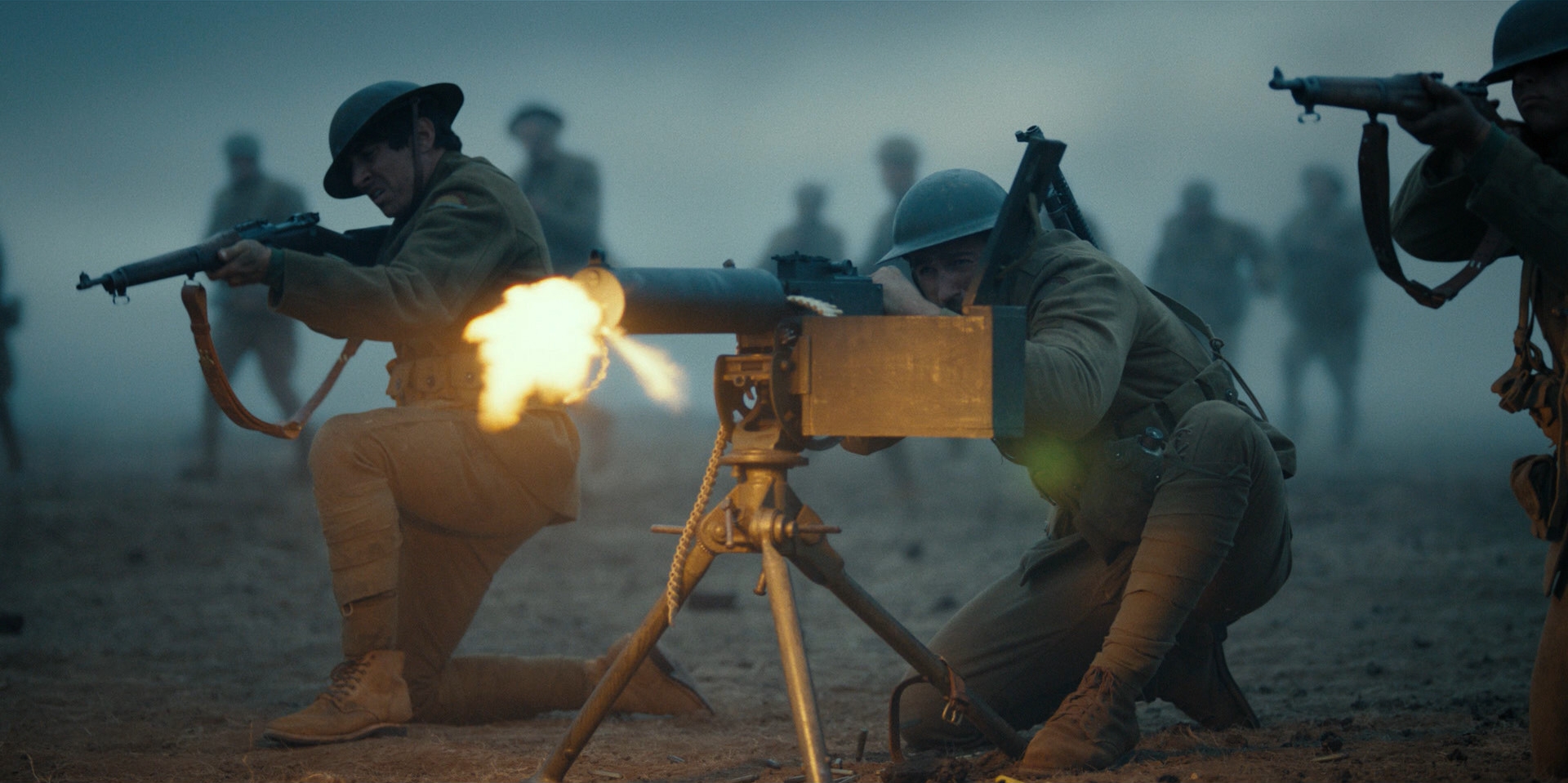
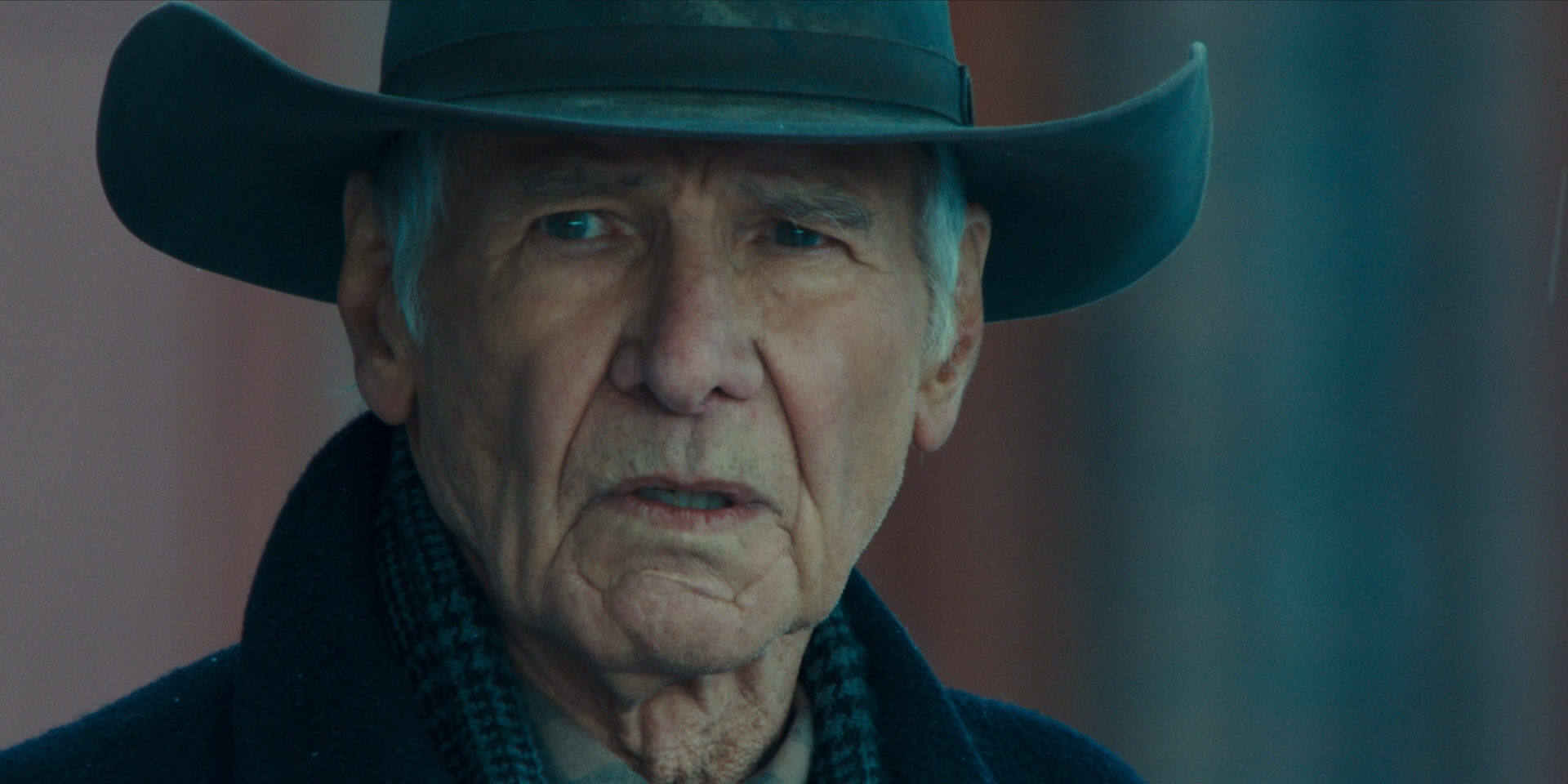
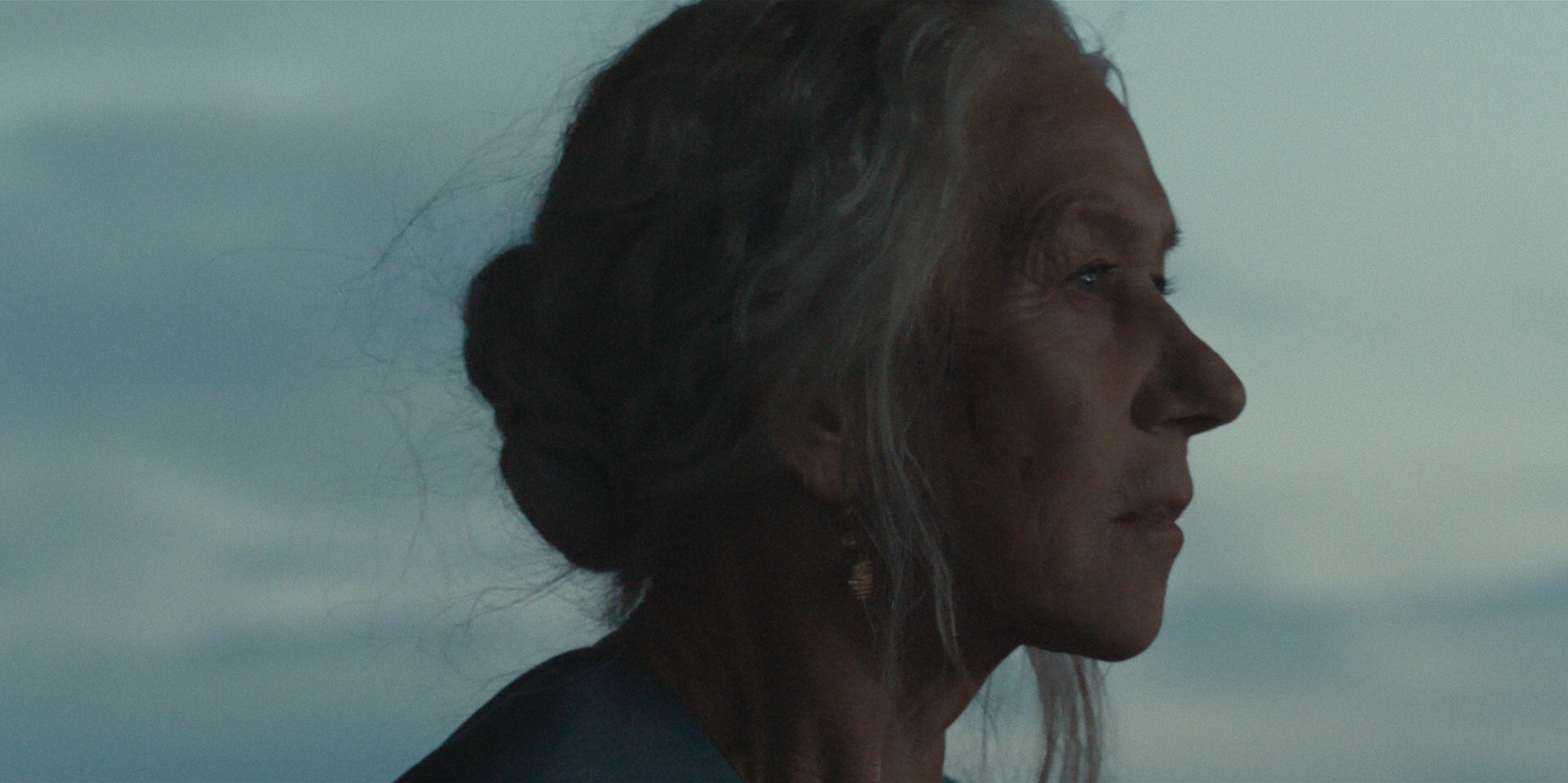
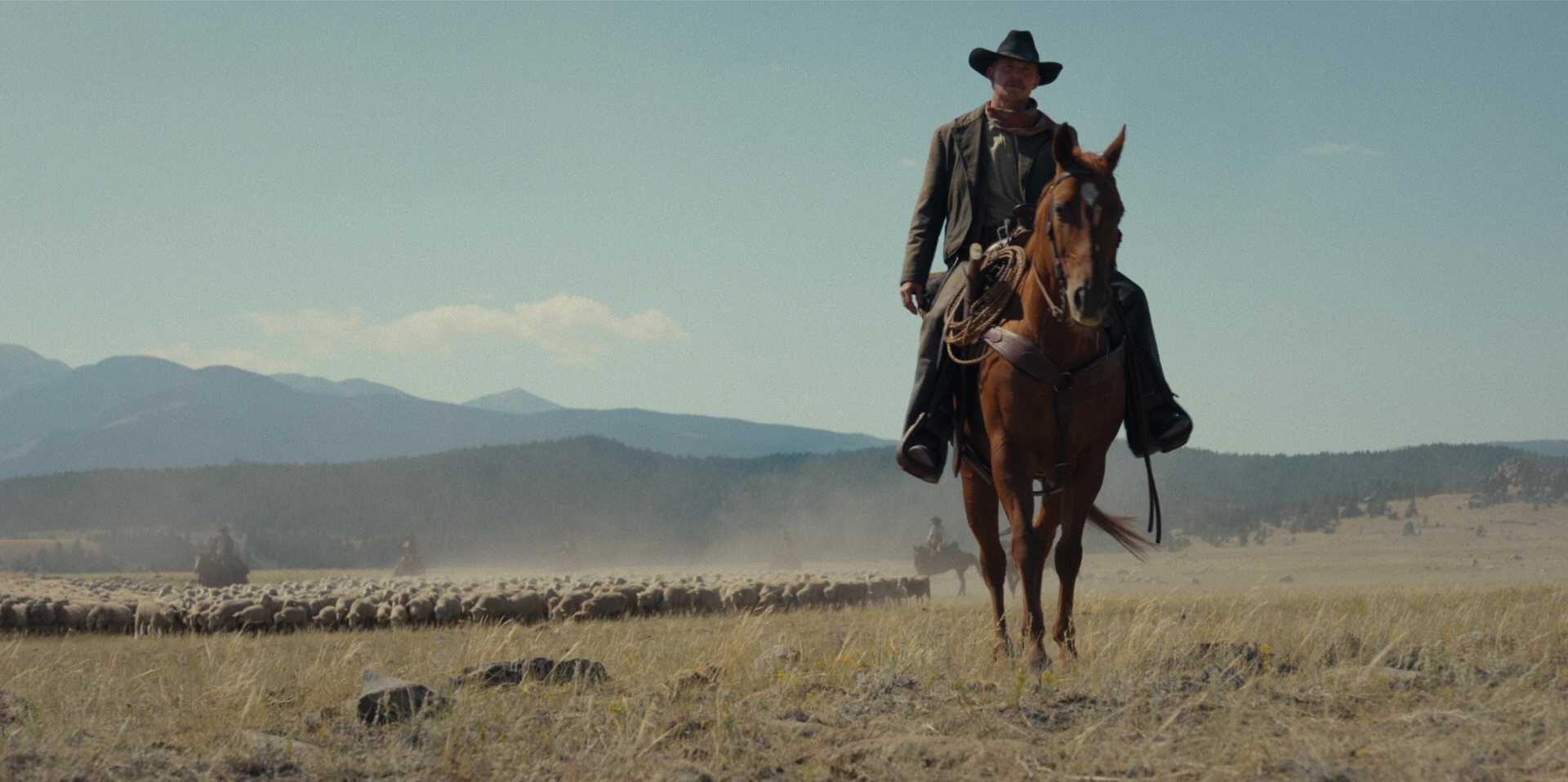
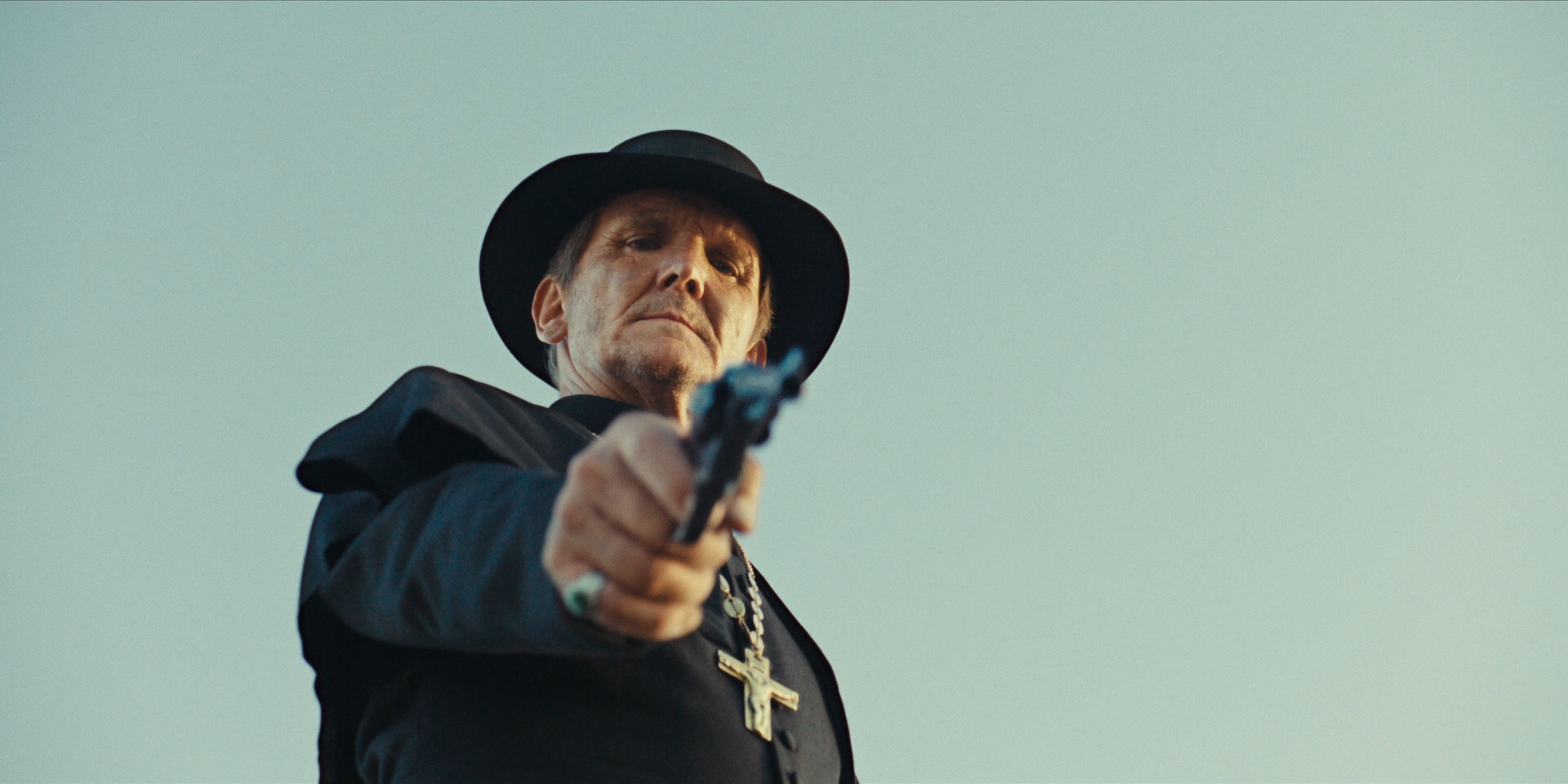
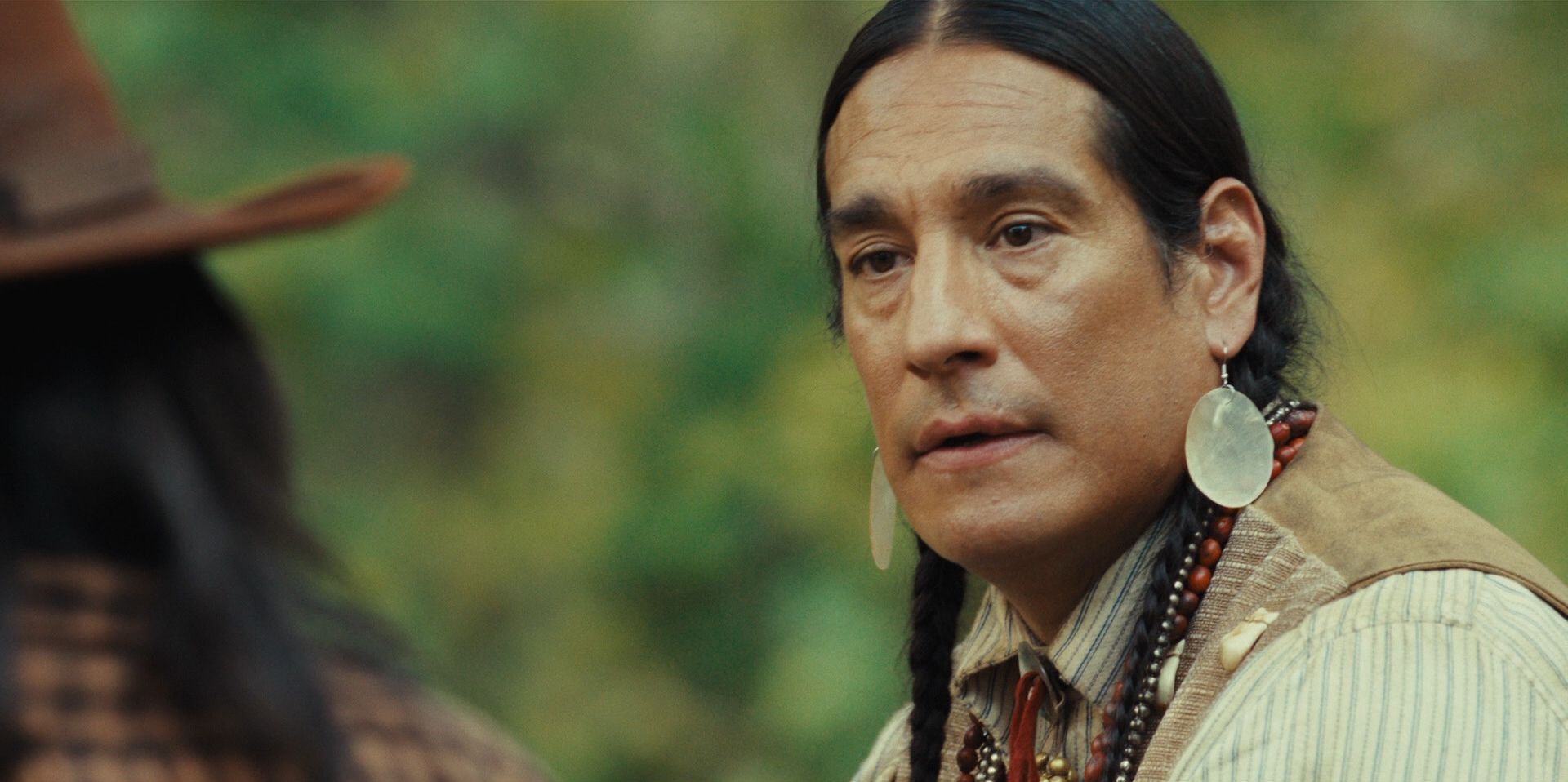
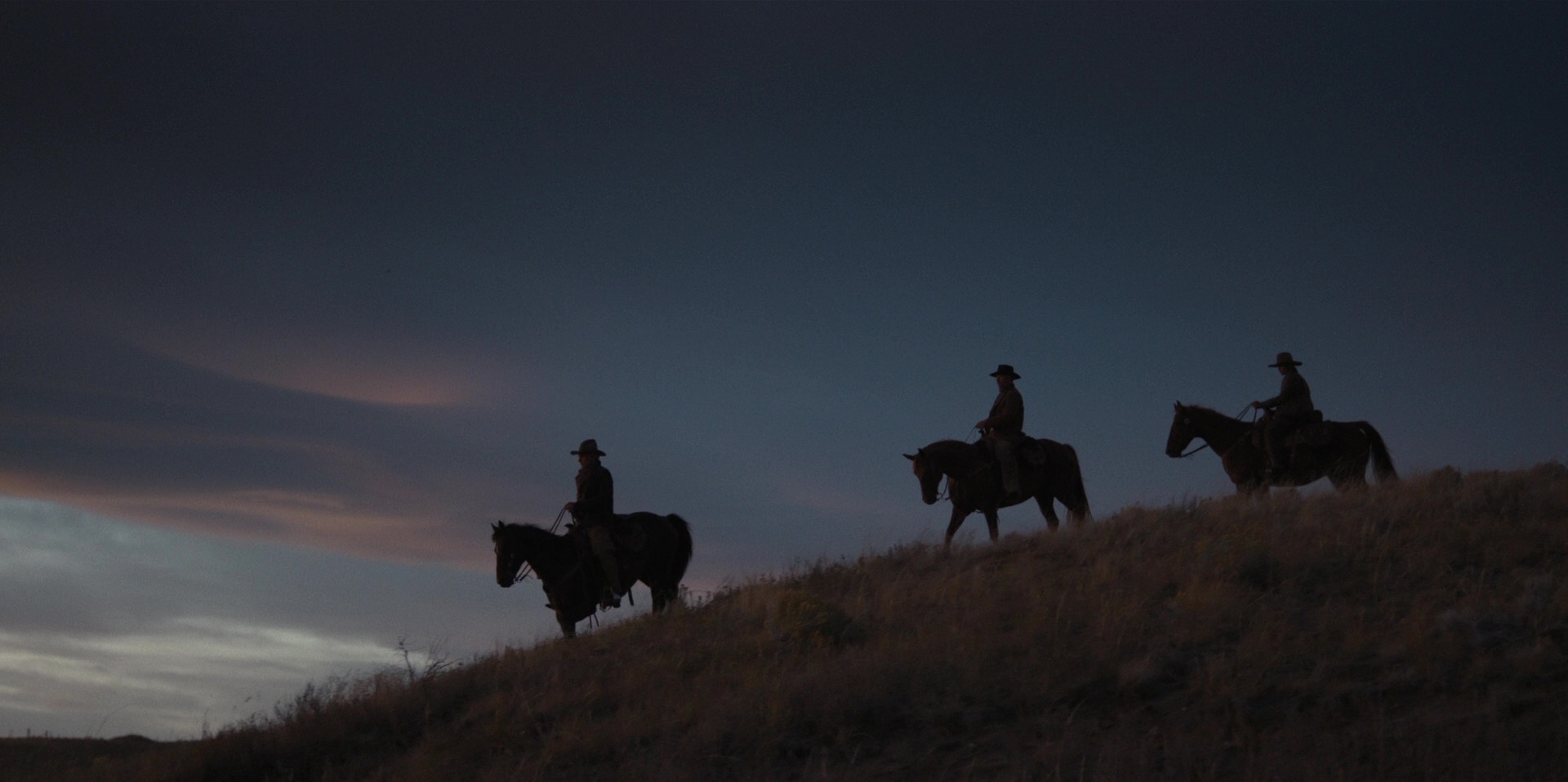
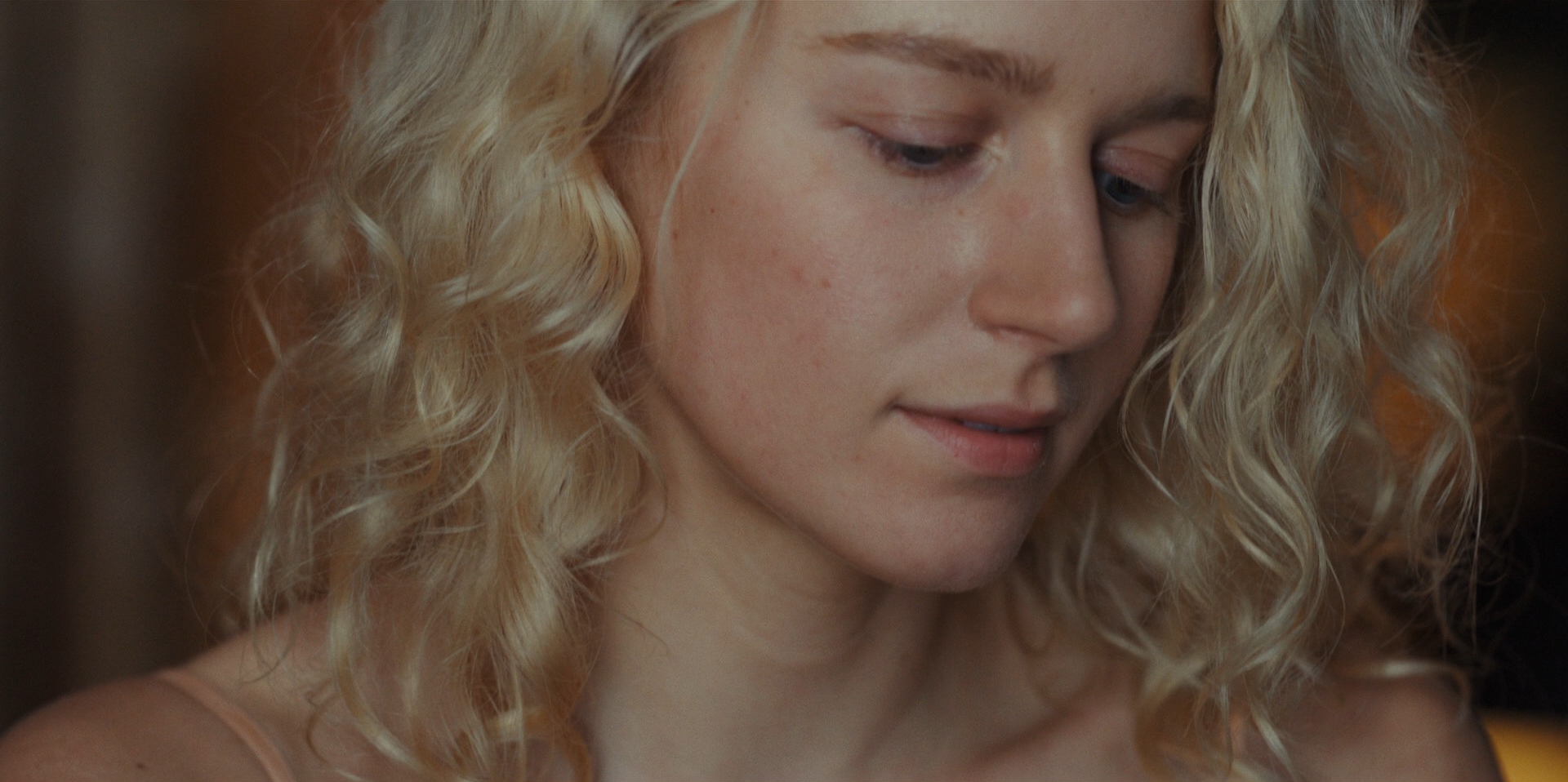
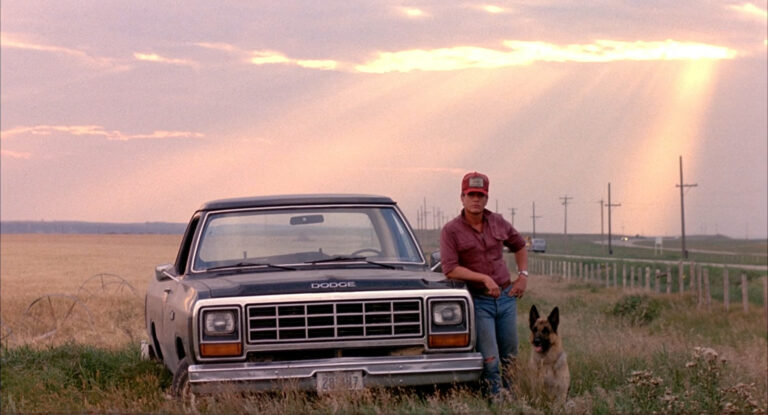
This month, we dropped thousands of shots from both seasons of Taylor Sheridan‘s smash-hit neo-Western television drama, 1923. The third series in the Yellowstone television franchise, and a follow-up to the 2021-2 drama 1883, 1923 follows a new generation of the Montana ranch magnate Dutton family as they navigate the challenges of Prohibition, drought, and the oncoming Great Depression. The series stars Helen Mirren, Harrison Ford, Brandon Sklenar, and Julia Schlaepfer, and became Paramount’s biggest ever debuting television series.
Series lead cinematographer and director Ben Richardson, who was a gaffer on Yellowstone before shooting and directing episodes of 1923, told IndieWire that large portions of 1923 were filmed with up to 5 or 6 cameras simultaneously. Several factors contributed to this logistical decision – the complexity of shooting herds of horses and cattle for many scenes and sequences, the aesthetic mandate of shooting in natural light and backlighting actors whenever possible, Sheridan’s preference for filming on telephoto lenses, and the low-take count, high-velocity nature of 1923‘s production. While there were certain aesthetic limitations that were inevitable with this approach, the show was able to retain its epic scale with a nimble production team that were able to maintain the show’s visual identity while meeting its technical demands.
ARTIST SPOTLIGHT
Kirsten Johnson
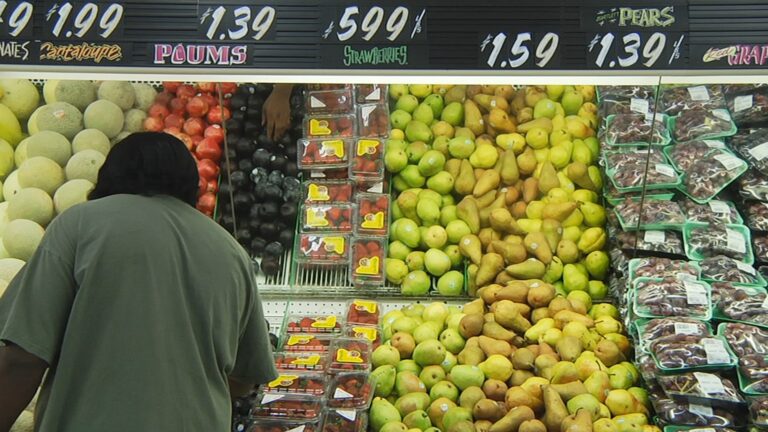
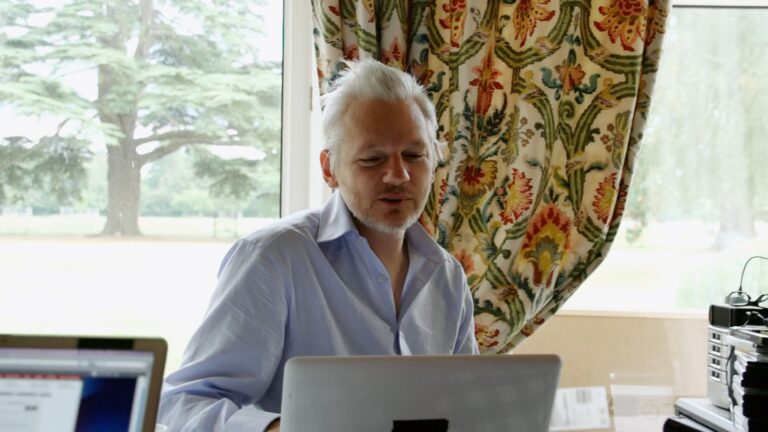
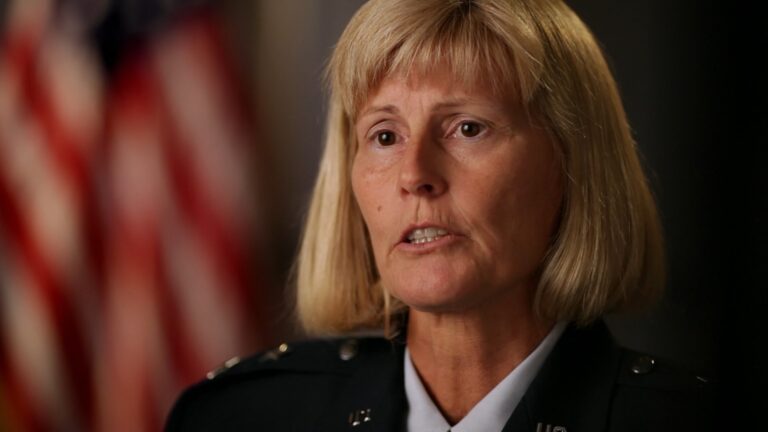
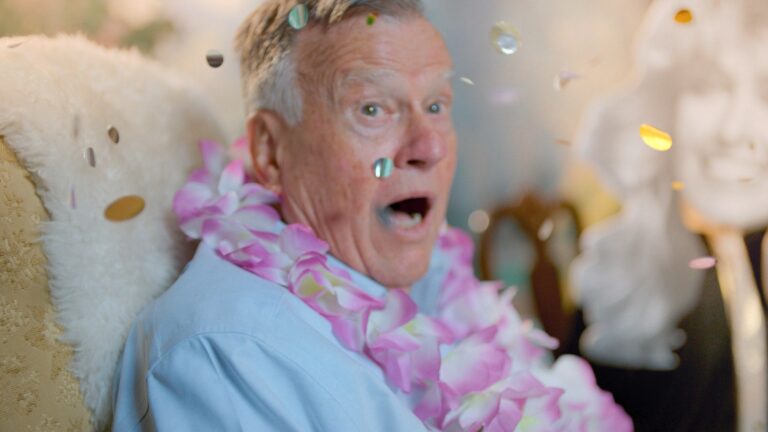
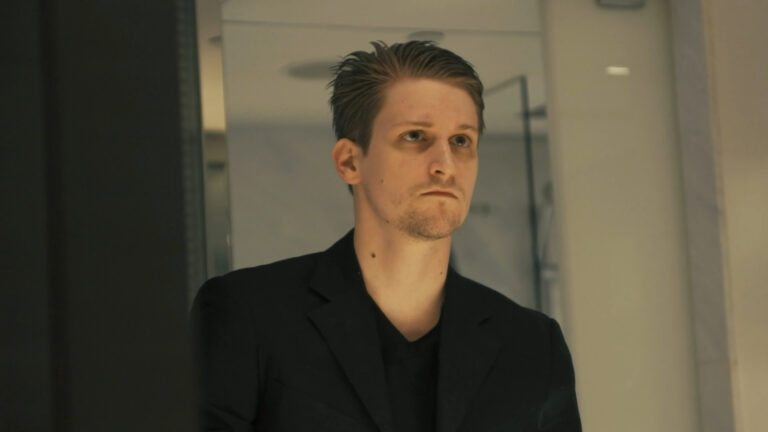
This month, we added five films to our library from one of the pre-eminent figures of contemporary documentary filmmaking, Kirsten Johnson. A cinematographer and director whose work has brought some of the most urgent ethical and political questions of our time into the mainstream, Johnson’s work as a cinematographer has become known for its calm, steady approach, bringing intimacy and empathy in settings and situations where a much more frenetic and distant approach might be the standard expectation. After decades of work as a lead cinematographer, Johnson directed her first solo documentary feature Cameraperson in 2016 – an essayistic collage of footage she shot for other films which were left on the cutting room floor. The film became a revelatory look at the formal and ethical questions at the heart of documentary filmmaking – what should we observe without intervention, and what should we exclude for the sake of a story.
Check out this month’s selection of Johnson’s work – her semi-autobiographical directorial effort, Dick Johnson Is Dead (2020), Laura Poitras collaborations Citizenfour (2014) and Risk (2017), food policy film A Place at the Table (2017), and war film The Invisible War (2012).
ARTIST SPOTLIGHT
Costa-Gavras
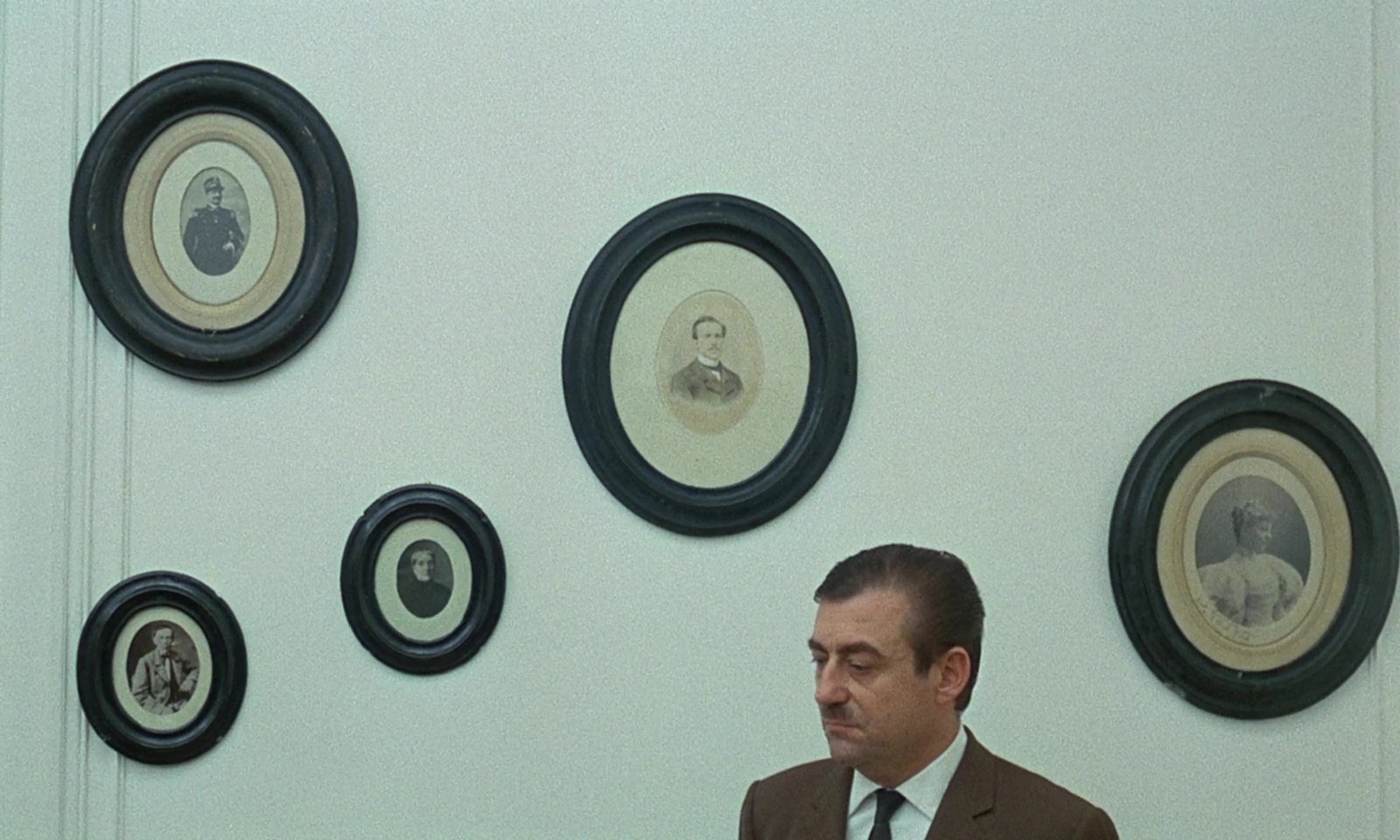
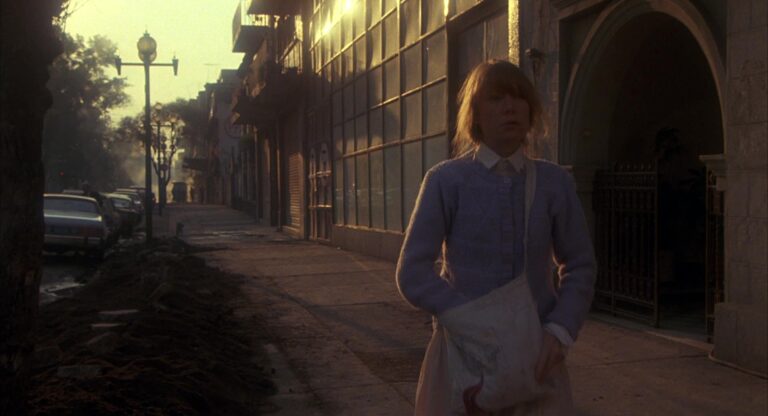
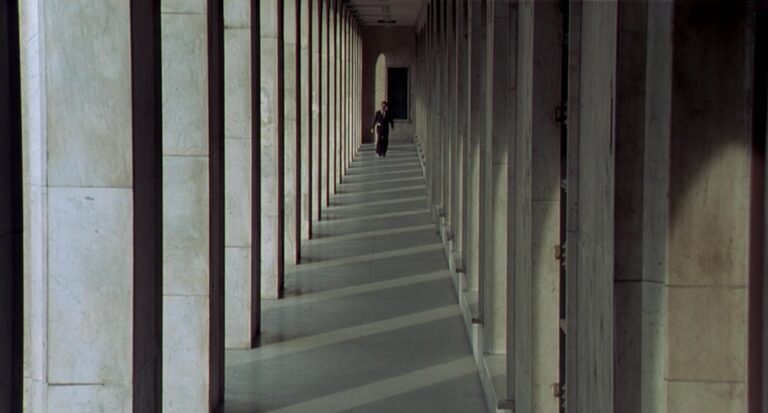
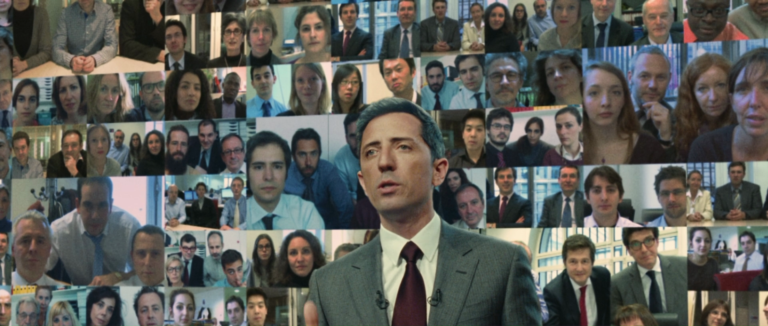
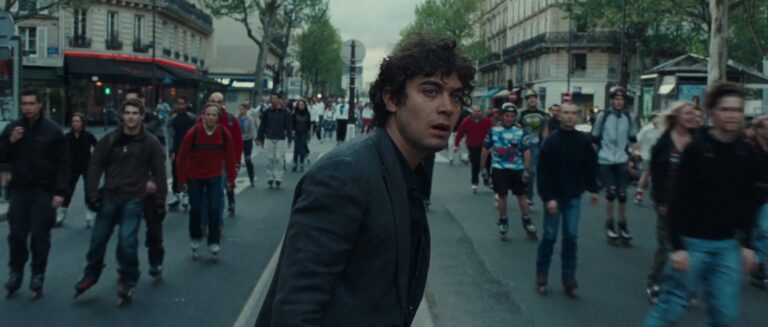
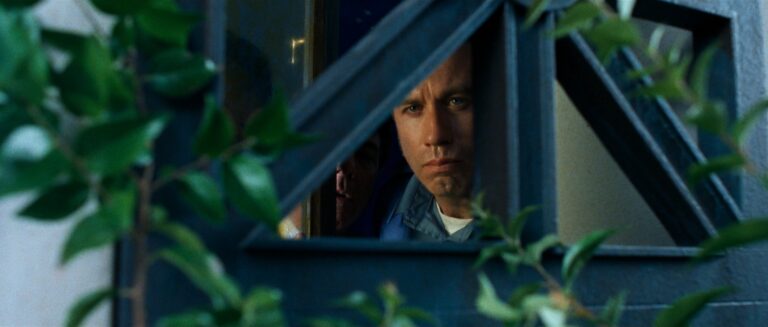
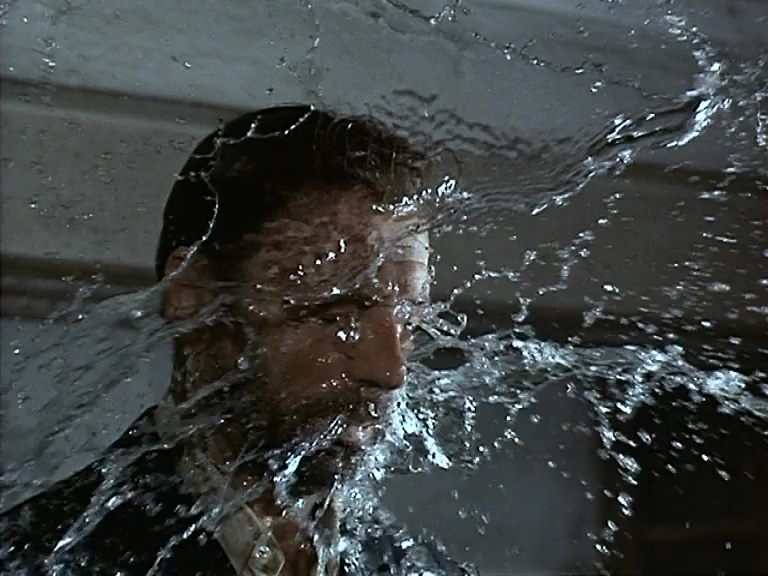
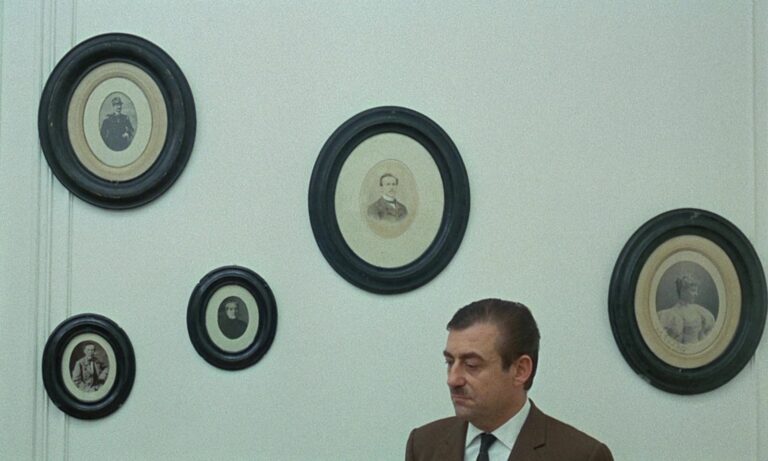
In March, we curated nine films from Greek-French filmmaker Costa-Gavras, who became best known for his taut, fast-moving thrillers that take themes of political injustice and social corruption and turn them into the basis for their plot. In an interview for Neos Kosmos magazine in 2019, Gavras said “I think that the arts in general and not only cinema have a political function in society – not in an ideological sense, but as in influencing our social behaviour… My films are about our place in society and how we use power.”
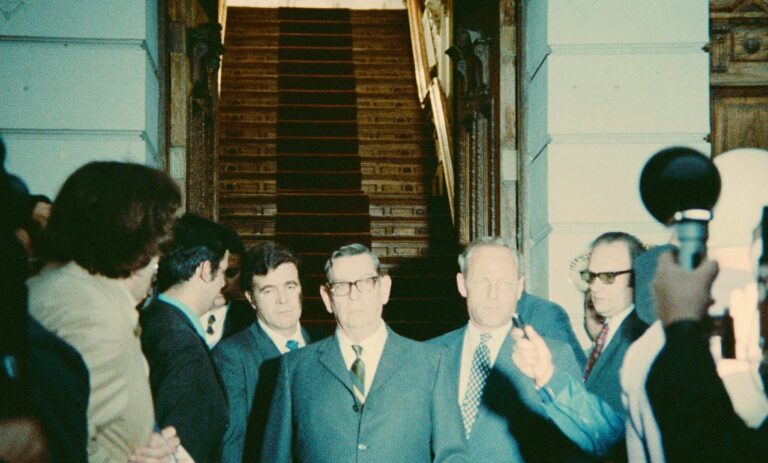
Check out our selection of Costa-Gavras films: the Academy Award-winning Z (1969); undocumented immigrant drama Eden is West (2009); Missing (1982), which is based on the disappearance of American journalist Charles Horman; Soviet bloc show trial thriller The Confession (1970); WW2 drama Amen. (2002); financial system critique Capital (2012); State of Siege (1972), which critiques the CIA’s involvement in Latin America; spy thriller about investigating white nationalists in America, Betrayed (1988), and American hostage thriller Mad City (1997).
FILM COLLECTION
Music Videos & Commercials
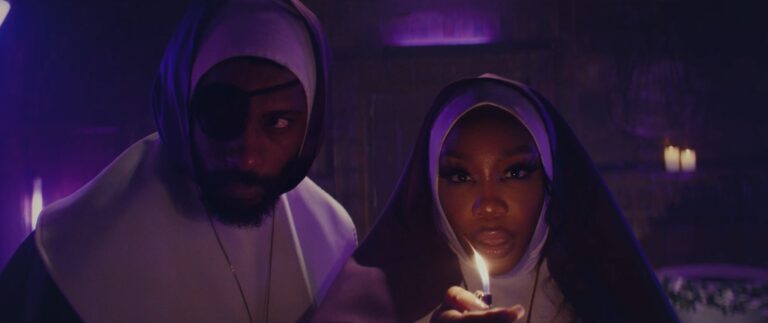
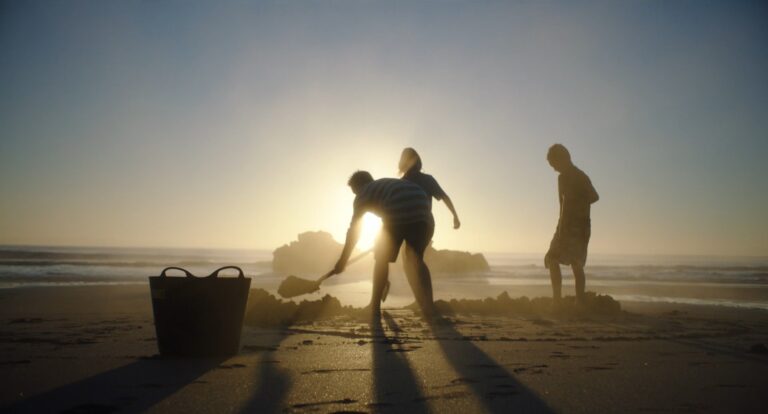
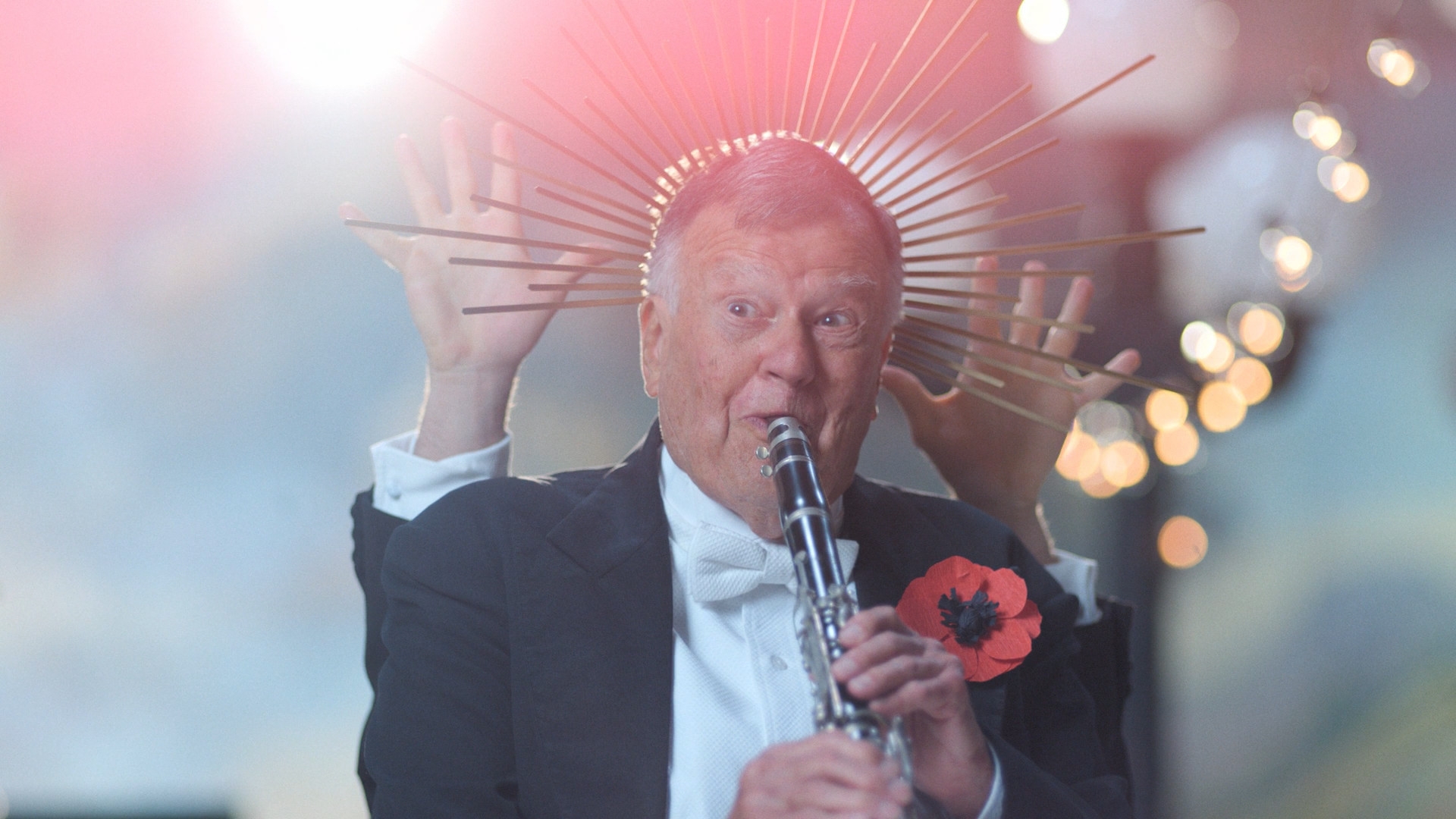
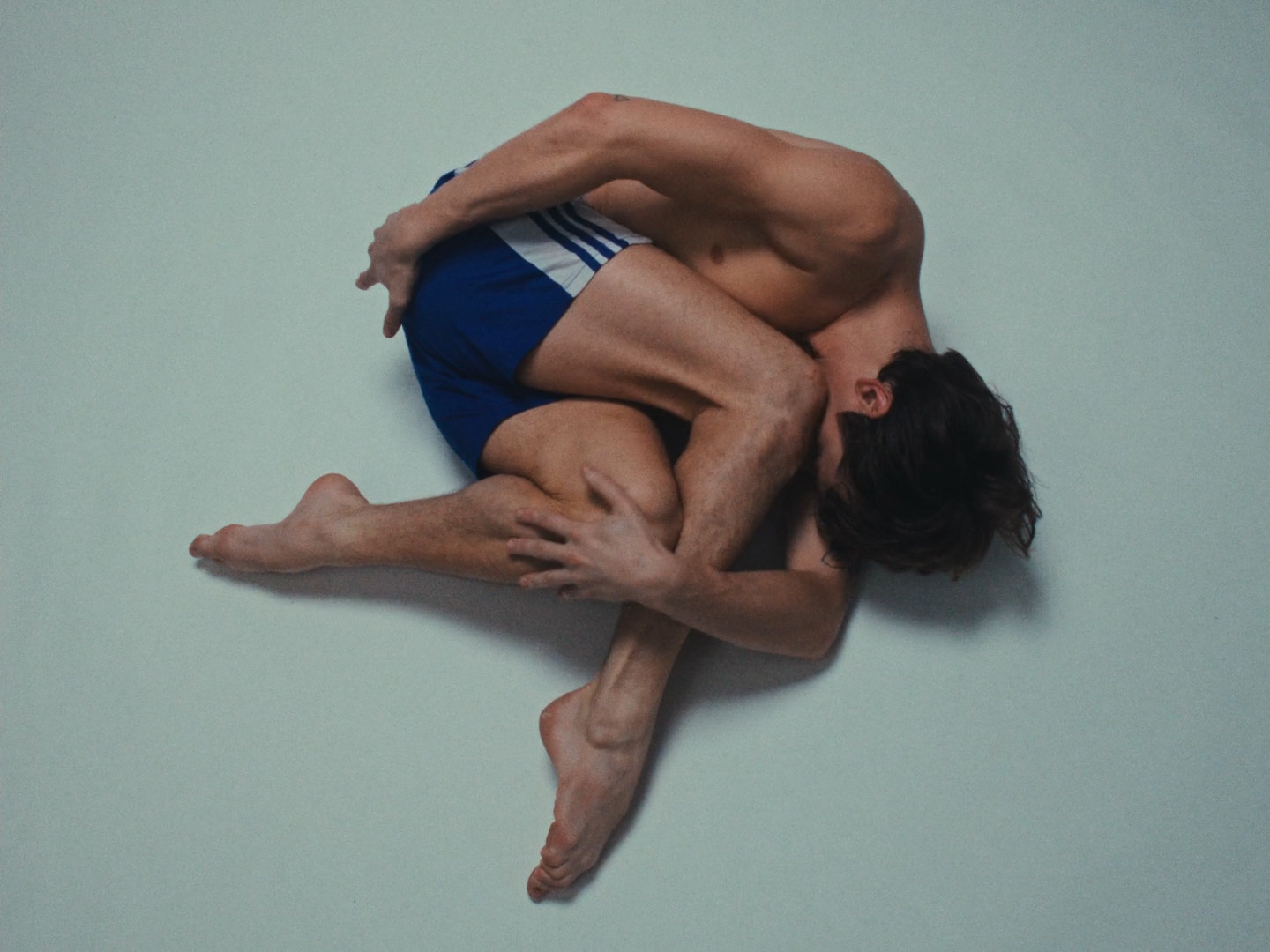
This month, we have over 10,500 new shots from 150 commercials and 50 music videos added to our library. Check out commercials for athleisure brands, computer companies and gyms, and music videos from artists like SZA, Jabari and alt-J. Dive in!
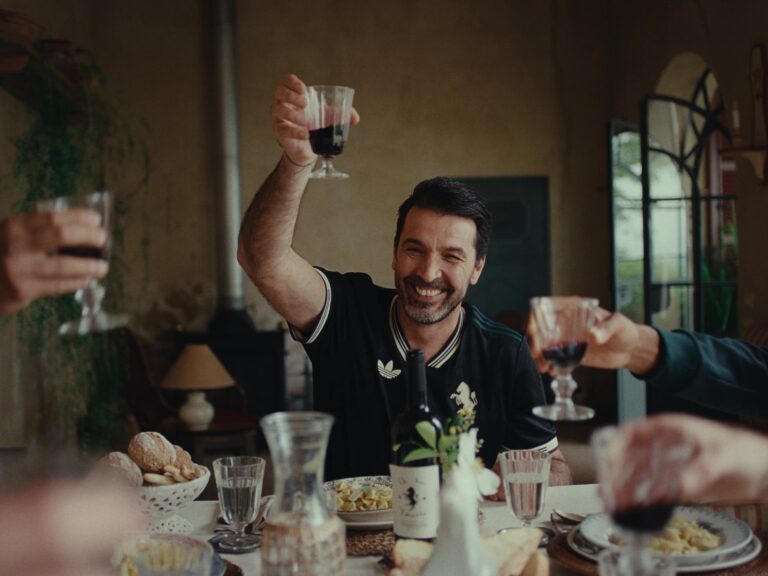 COMMERCIALAdidas, Juventus FC – “Trame Di Vite”
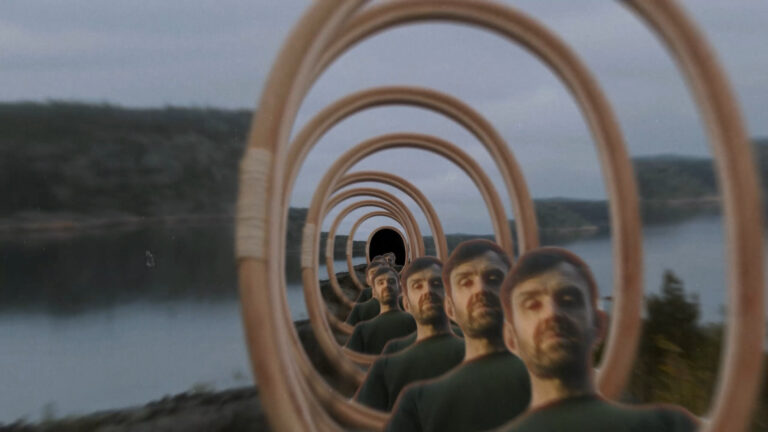 MUSIC VIDEOFunny Weather – “Time Bandit”
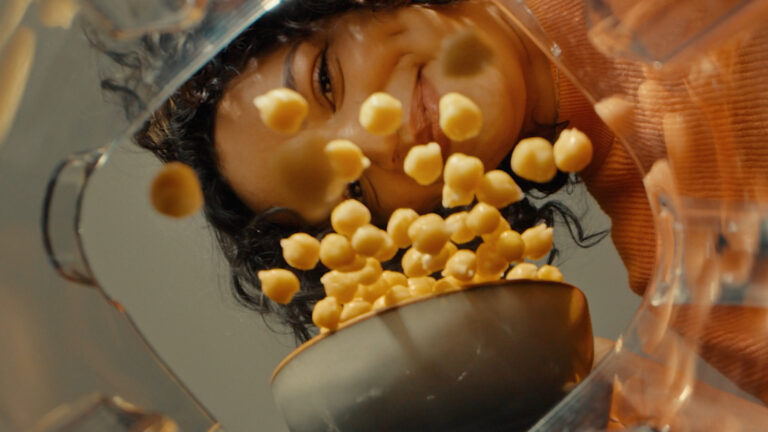 COMMERCIALKitchenAid – “Blend the Rules”